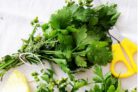
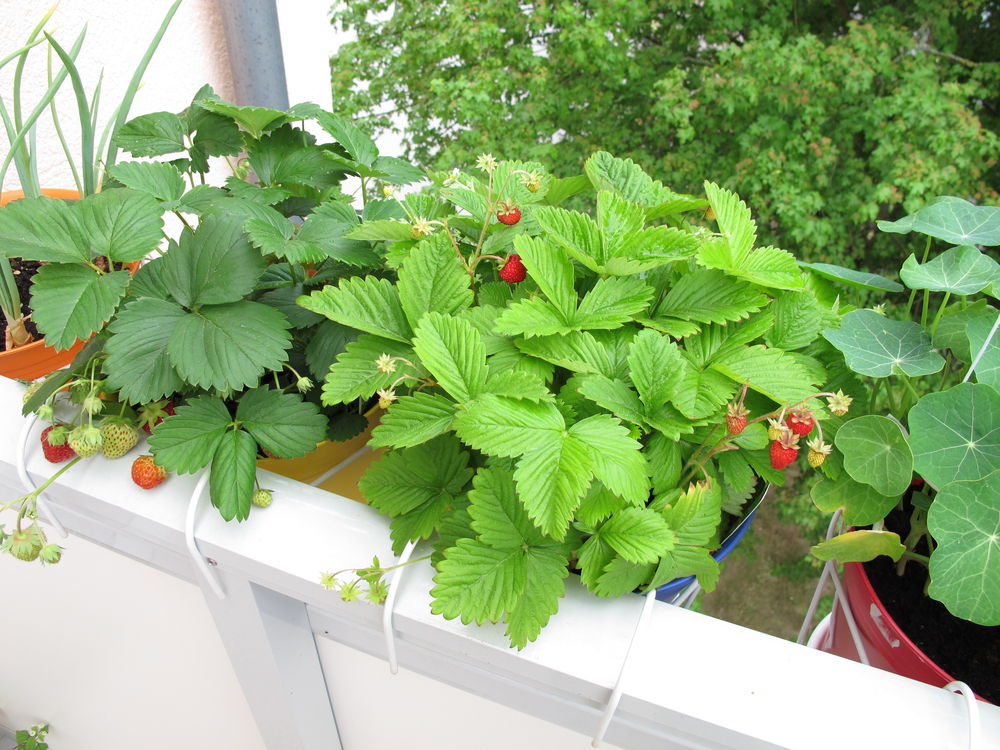
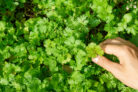
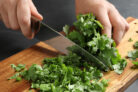
Cilantro loves a sunny, warm spot to call home. If you have a south-facing balcony, you’ve got the perfect setup for a little herb garden! For anyone who can’t get enough of that fresh cilantro flavor, growing your own is a total game-changer.
Everything You Need to Know About Cilantro
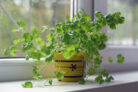
Cilantro (*Coriandrum sativum*) is part of the carrot family (Apiaceae), making it a cousin to parsley, lovage, and celery. It grows in pretty clumps with long stems and delicate, decorative leaves, usually reaching about 20 inches tall and 8 inches wide. While it thrives in full sun, it’s also happy in partial shade at its ideal location. Just keep an eye on the thermometer—cilantro is a bit of a wimp when it comes to frost and won’t survive freezing temperatures. You can look forward to harvesting your greens from summer through early fall. If you’re planting in pots, go for a high-quality universal potting soil and make sure your container is at least 8 inches in diameter.
Sowing vs. Planting
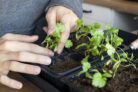
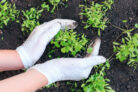
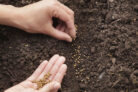
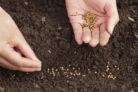
You can choose to start from seed or buy young plants to get a head start. If you go the seed route, pack your patience—cilantro can be a little slow to germinate. Whether you’re using a window box or a pot, drainage is key. Cilantro hates “wet feet,” so adding a drainage layer (like pebbles) at the bottom is a smart move. Before you tuck your plant into the soil, give the root ball a good soak to make sure it’s nice and hydrated.
Keeping Your Cilantro Hydrated
One thing to remember about balcony gardening: pots dry out much faster than garden beds. Instead of giving your herbs a tiny sip every day, it’s actually better to give them a deep soak once or twice a week. Try to water in the early morning or evening when it’s cooler. Pro tip: cilantro prefers water that’s been sitting out for a bit and isn’t ice-cold right from the tap.
Harvesting the Seeds (Coriander)
Around mid-June, your cilantro will start to bloom with beautiful white umbrella-shaped flowers. From August through September, it will produce seeds—which we usually call coriander! You can save these to grow more plants next year, or if you love Asian or Mexican cuisine, you can use them as a spice. Harvest the seeds when they turn a light brown color, then let them finish drying in the sun. Don’t wait too long, though—once they’re ripe, they fall off the plant pretty quickly! Store your dried seeds in a cool, dry place until you’re ready to use them.