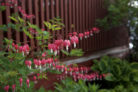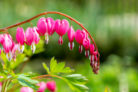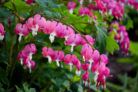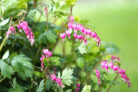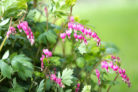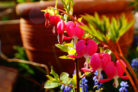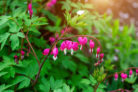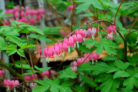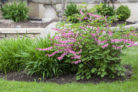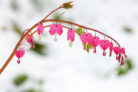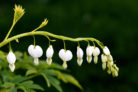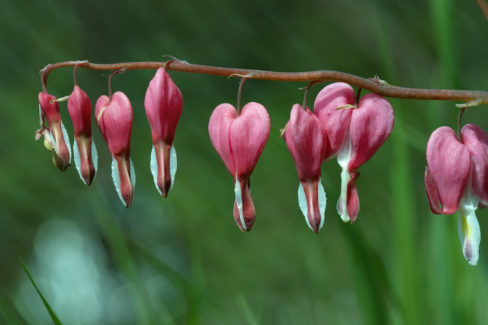
Bleeding Hearts are such classic spring perennials, and the best part? They’re incredibly low-maintenance. If you leave the faded “hearts” on the plant, they’ll eventually develop seeds and start sowing themselves all over your garden. Come spring, you might find little volunteers popping up in spots where they don’t really belong. If you’re not looking for a garden takeover, you’ll want to step in before they drop their seeds!
Collecting Your Own Seeds
If you want to keep things simple, you can always grab a packet of seeds at your local garden center and follow the instructions on the back. But if you’re like me and love the hands-on part of gardening, using seeds from your own plants is super rewarding. Just make sure you don’t deadhead *all* the wilted flowers; leave a few stems alone so the seed pods can develop. Once the seeds are ripe, you can collect them to store for later or plant them right away.
Storage Tips
To keep your seeds fresh, pop them into an airtight container and store them in a cool, dry spot. If the environment gets too hot or freezing cold, the seeds might lose their “oomph” and won’t sprout.
Not sure if your stored seeds are still good? You can run a quick germination test. Here’s how:
- Grab a damp paper towel.
- Sprinkle a few seeds onto the towel.
- Place the towel on a plate in a room with a steady, comfortable temperature.
- Keep that towel moist!
- After a few days, at least half of the seeds should start to sprout.
Direct Sowing
You can actually sow your collected seeds directly into your garden beds wherever you want them to grow as soon as you harvest them. These seeds actually *need* the winter chill to break their dormancy—a process nature handles for us. By spring, you’ll see brand-new baby plants poking through. If you haven’t picked the perfect spot yet, just sow them in small starter pots and keep them in a sheltered spot outdoors. Just make sure the potting soil stays slightly damp.
Sowing in the Spring
If you wait until spring to plant your seeds, you’ll need to “stratify” them first. That’s just a fancy gardening term for giving them a cold treatment to wake them up. You can start this process as early as January:
- Fill a container with damp sand and sow the seeds on top.
- Seal the container tightly.
- Stick it in the vegetable crisper drawer of your fridge for about six weeks.
- Afterward, move the seeds into seed trays and keep them somewhere around 55 to 60°F (12 to 15°C).
- Slowly increase the temperature to mimic the natural warming of spring.
- By March, your young plants can head outside—just make sure to give them some frost protection if a late cold snap hits!