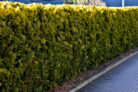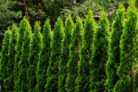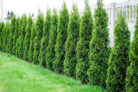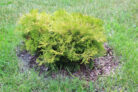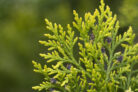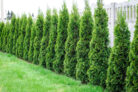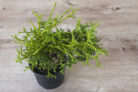
The Arborvitae, often called Thuja, is a total staple in American backyards. It’s super resilient when it comes to pruning and grows in nice and thick, which makes it a go-to choice for privacy hedges or a natural screen from the neighbors.
What can damage Thuja roots?
Even though the Thuja itself is a pretty tough evergreen, its roots are actually quite sensitive. They don’t handle extreme drought or “wet feet” (standing water) very well. One of the biggest culprits for root damage, especially in colder climates, is road salt used in the winter. This often leads to those dreaded brown needles. You might see a similar reaction if you go a little too heavy on the fertilizer, so be careful with that plant food!
What causes root rot?
Root rot is usually triggered by a fungus, but it’s often made worse by poor drainage or overwatering. When you combine soggy soil with fungal spores, your Thuja can go downhill fast. The tricky part? This disease isn’t always obvious right away.
How do I spot root rot?
The first red flag is usually browning foliage, but since that can happen for a dozen different reasons, it’s hard to be sure. If you suspect trouble, you might have to do a little digging. If you expose the root ball and find soft, mushy, or foul-smelling roots, you’re definitely dealing with root rot.
Can a Thuja with root damage be saved?
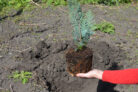
Saving a Thuja with root rot is a race against time—you really have to catch it early. Your best bet is to dig it up, trim away all the slimy, infected root parts, and replant it in fresh, well-draining soil. With a little luck, it’ll take hold and bounce back.
There is one big challenge, though: if your Thuja is part of a hedge. Their roots love to intertwine with their neighbors, which means root rot can spread through the whole line of trees before you know it.
How can I keep the roots healthy?
To keep your Arborvitae happy long-term, it’s all about the right location and a little TLC. Thujas hate being bone-dry, but they also hate sitting in a puddle. During hot summers, make sure they get enough water. Interestingly, they also need a drink on sunny, frost-free days in the winter, because those needles lose moisture all year round.
To prevent soggy soil, try loosening the ground with a hoe or mixing in some sand or stone meal to improve aeration. If your soil is heavy clay, a drainage layer is a lifesaver. When planting, toss a layer of coarse gravel into the bottom of the hole to help excess water drain away from the roots.
Quick Summary:
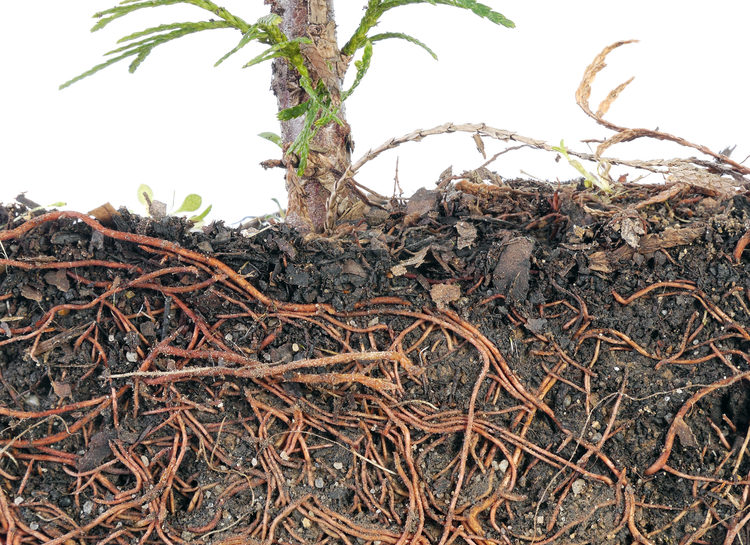
- Roots are shallow but spread out wide.
- Roots often intertwine with neighboring plants, especially in hedges.
- Avoid long periods of drought or standing water.
- Sensitive root system.
- Prone to root rot if conditions are too wet.
Pro Tip: If one Thuja in your hedge line gets root rot, it can spread fast. Quick action is key to saving the rest of your privacy screen!