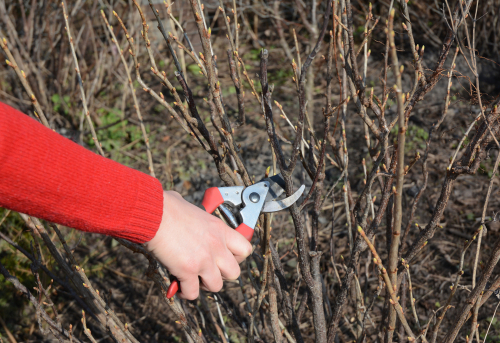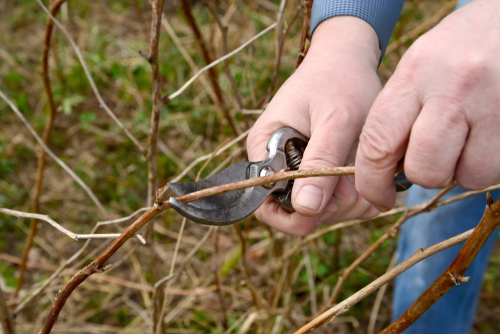
If you’re dreaming of your own backyard harvest, you absolutely can’t skip out on berry bushes. But here’s the secret: if you want a bumper crop of juicy fruit, you’ve got to get the location and the maintenance right—and that includes pruning. Don’t worry, though! I’ve got you covered with everything you need to know to get those shears moving.
When is the best time to prune berry bushes?
Ever look over the fence and feel a little “berry envy” at your neighbor’s lush, fruit-heavy bushes? Well, that’s about to end! You can get those same results with the right pruning routine. The trick is all in the timing and the technique. Here’s a quick cheat sheet for when to prune different berry varieties:
- Raspberries: Summer varieties right after harvest; Fall-bearing varieties in late fall after they’re done.
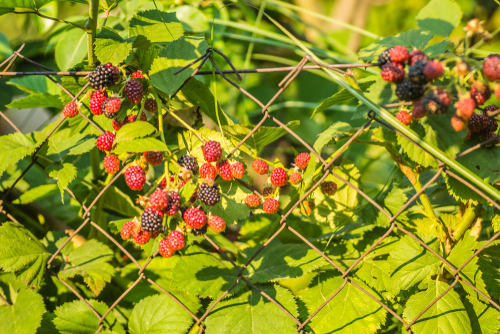
- Blackberries: Late winter (February to March).
- Currants: Late winter (February to March).
- Gooseberries: Late winter (February to March).
- Blueberries: Late winter (February to March).
You’ll notice that for many, February is the sweet spot. Just make sure you pick a cloudy day when there’s no frost in the forecast. If you prune during a freeze, those fresh cuts can suffer from dieback. Some varieties are especially sensitive to those early spring frosts, so keep an eye on the weather app!
How to prune Currants and Gooseberries
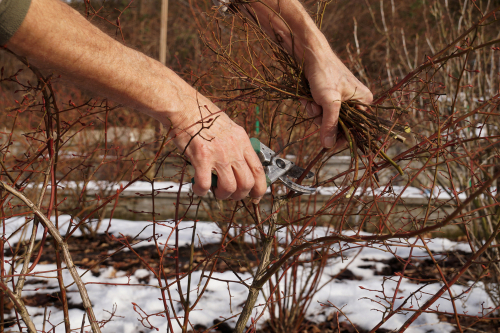
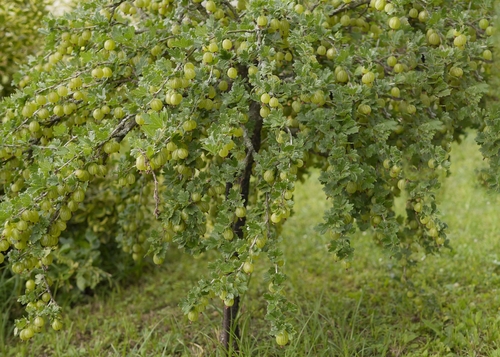
These two are like cousins when it comes to pruning, so we can treat them pretty much the same. Their fruit grows on side shoots that sprout from older, multi-year canes. To keep them happy, you’ll want to do a “maintenance prune” once a year.
For the first four years, just let the plant grow into a nice, compact bush. After that, you can start cutting back any canes that are four years or older right down to the ground. The most important thing is to leave the previous year’s shoots alone—that’s where the magic happens! If you see any branches that are getting way too leggy, tangled, or drooping over, go ahead and snip those too. Finally, thin out the base of the shrub to let some sunlight hit the center of the plant.
The lowdown on pruning Blueberries
Blueberries are the ultimate “low-maintenance” fruit for busy gardeners. Honestly, they’ll keep growing even if you forget to prune them for a season. The main goal here is to prune back the old structural canes in the spring. This rejuvenates the plant and keeps the harvest plentiful.
Once your blueberry bush starts getting a bit “up there” in age and the fruit production slows down, you’ll want to be a bit more aggressive with the shears. Cut back the heavily branched, older wood to encourage fresh, new growth to take its place.
Getting Raspberries right
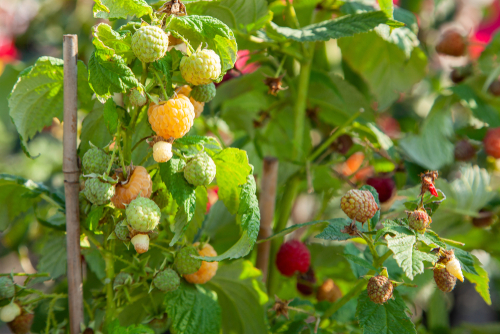
Raspberries are famous for those long, trailing canes. Most varieties bloom and fruit on side shoots during their second year. This means you have to be a bit of a detective and distinguish between the young “new” canes and the “spent” ones.
Once you’ve finished harvesting, cut the canes that just fruited right down to the soil. To keep this year’s new green canes from flopping over or snapping, it’s a great idea to tie them to a trellis or some kind of climbing support. While you’re at it, clear out any weak, spindly, or gnarled-looking shoots to give the healthy ones more room to breathe.