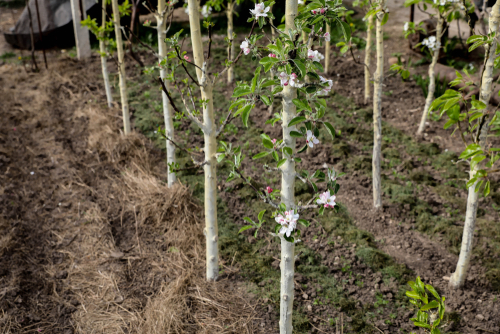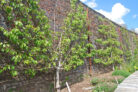
Training fruit trees as standards (or “tree-form”) is a fantastic move, especially if you’re working with a smaller backyard. Not only do they look super charming, but they also keep your garden looking tidy. However, keeping them in tip-top shape requires a specific pruning routine. Here’s everything you need to know to get it right.
How to Prune Gooseberry Standards
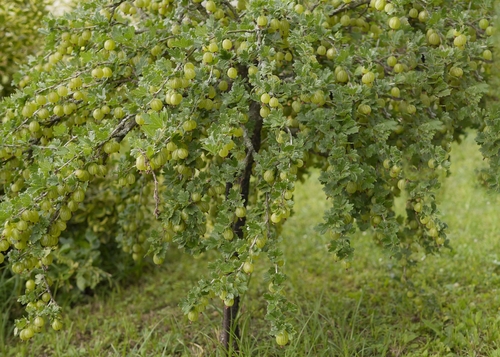
Planting a gooseberry as a standard comes with some pretty great perks:
- It adds a lovely decorative touch to your landscape.
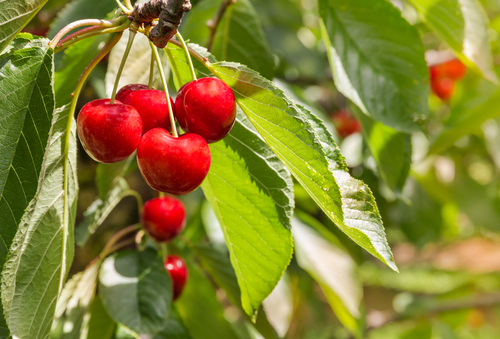
- You get a massive harvest of juicy berries.
- It’s a huge space-saver for tight spots.
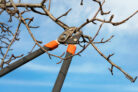
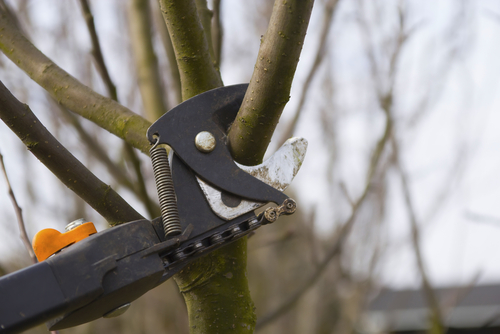
To really reap those rewards, targeted pruning is a must. Gooseberries absolutely need this maintenance; otherwise, the plant starts to get “leggy” and old, and fruit production drops off. The best time to grab your shears is in February or March for a good structural and maintenance prune. Focus on thinning out branches that are growing too close together or any wood that looks dry and weak.
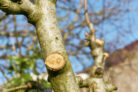
As a rule of thumb, you want to leave about five to seven main structural branches. For each of those main branches, keep two or three healthy, strong side shoots and trim the rest back to about two or three buds (or “eyes”). Keep in mind that gooseberries fruit on the previous year’s growth, so you don’t want to be too aggressive with the new wood.
Keep those fruiting shoots intact and give them just a tiny trim. You also want to make sure the center of the crown is “airy” so sunlight can reach every branch. This is the secret to keeping your little tree vibrant and healthy.
Protecting Your Gooseberry Tree from Thinning Out
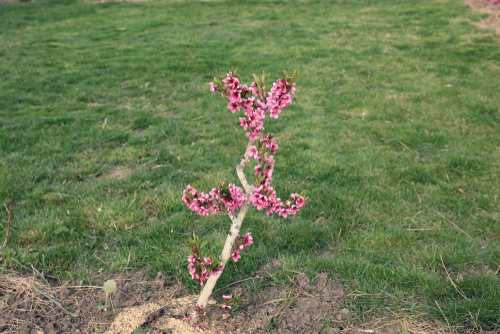
Make sure you give your gooseberry tree a “rejuvenation prune” every single year. If you skip this for a few seasons, your harvest will suffer, and the tree will start looking sparse and woody. Since you’re growing it as a standard, you’ll need to be consistent with your garden shears anyway to maintain that classic “lollipop” shape—a clear trunk with a full, bushy crown.
To rejuvenate the tree, cut the entire crown back to about five main branches. If you spot any bare or unproductive shoots, snip them off right at the base. The goal here is to encourage the tree to send out fresh new growth. By removing the “dead weight,” the plant can funnel all its energy into producing new wood and better fruit.
Watch Out for the Thorns!
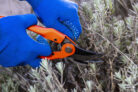
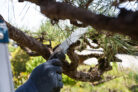
The name “gooseberry” (or *Stachelbeere* in German, literally “prickly berry”) is a fair warning—these plants have some serious thorns. Pruning can quickly turn into a painful experience for your hands if you aren’t careful. I highly recommend wearing a sturdy pair of rose pruning gloves; they’re thick enough to protect you from those sharp surprises while you work.