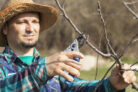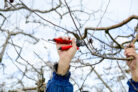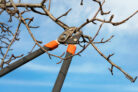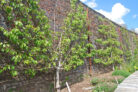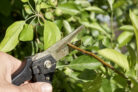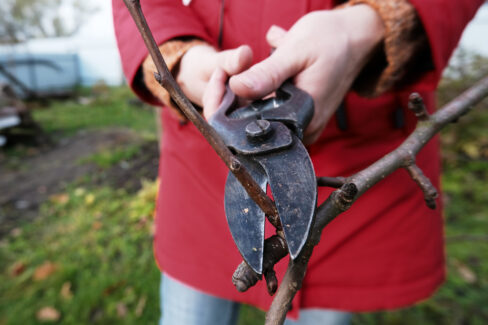
With their gorgeous spring blossoms and vibrant autumn fruit, apple trees are absolute showstoppers in any backyard. To keep them looking their best and producing plenty of fruit, you’ll want to prune them during the summer or winter. Getting it right requires the right tools and a bit of know-how—proper technique ensures your tree stays healthy and rewards you with a bountiful harvest.
Shaping the Canopy
When you’re out there with your shears, the canopy is your main focus. You’re aiming for a structure that is strong, well-organized, and “airy.” A light-filled canopy encourages the growth of new young shoots and fruiting wood, which are the secrets to high yields year after year. Plus, if you stay on top of your pruning and keep the structure tidy, the tree becomes much easier to maintain. Good airflow and sunlight reaching every branch also help prevent diseases and pests from moving in, while helping your apples ripen to perfection.
When is the Best Time to Prune?
Generally, apple trees should be part of your winter garden chores. You’ll want to have your pruning wrapped up by the end of February. This isn’t just great for the tree’s growth; it also protects local birds before they start nesting. Try to pick a mild, frost-free day for the job. If you’re a beginner, winter is actually the easiest time to learn—without all those leaves in the way, it’s much easier to see the actual skeleton of the tree.
Pruning in Other Seasons
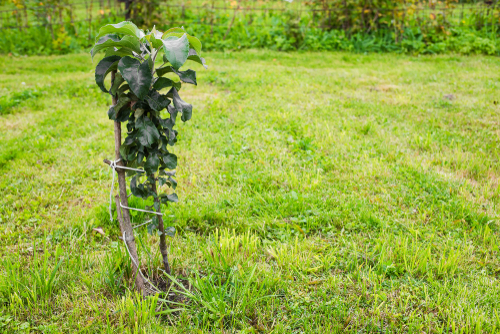
Spring pruning is usually reserved for newly planted trees that need an initial planting cut. However, summer pruning can also be really helpful! It’s a great time to fix any “oops” moments from your winter session. If you spot any diseased branches, clip them out immediately. Pruning in the summer can also lower the risk of fungal infections. It’s also the perfect time to zap those “water sprouts” (those thin, vertical shoots) that often pop up after a heavy winter prune.
Rejuvenation Pruning
If you have older apple trees—or younger ones that missed out on their early training—you can give them a second lease on life with rejuvenation pruning. This is usually a multi-year project that can kick off in the fall.
How to Prune Your Apple Tree
- Start by thinning out the center of the tree if it’s looking too crowded. Always remove any dead, diseased, or damaged wood first.
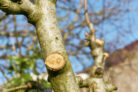
- Cut branches back to the “branch collar” (that little swelling where the branch meets the trunk). Make sure your cuts are clean to keep the tree healthy and infection-free.
- Only head back the height of the tree if you can safely reach the top branches.
- Shorten long branches by about half, or cut them back to a suitable side shoot that is pointing outward.
- Use hand pruners to head back long, thin shoots to shorter spurs. This encourages the tree to grow more blossoms.
- You might notice weak, crowded shoots growing near old pruning scars. Go ahead and remove these—they don’t really do much for the tree.
- Remove any branches that are crossing over or rubbing against each other.
- Cut out any branches that are growing inward toward the center of the tree.
- Your ultimate goal? A balanced, simple framework with an open center that lets the sunshine in!