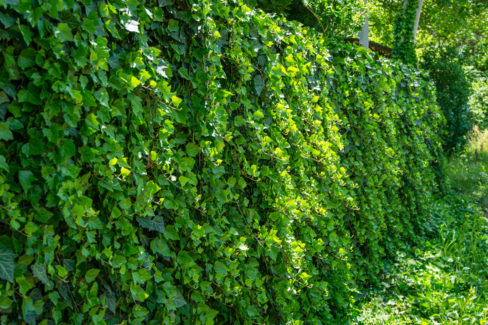
Ivy grows like crazy, doesn’t it? If you don’t keep an eye on it, that fast-growing vine will jump its boundaries and turn your neat hedge into a wild jungle before you know it. To keep things looking sharp, you’ve gotta stay on top of your pruning game. The more precise you want that shape to be, the more often you’ll need to reach for your shears.
Why Regular Trimming is a Must
If you’re planning to plant an ivy hedge, get ready to make pruning a regular part of your routine. While keeping it in shape is the main goal, there are some other great perks to giving your ivy a haircut:
- It jumpstarts new leaf growth (keeping your hedge from looking “bald” or woody).
- It helps prevent the spread of ivy diseases.
- For plants in their mature phase, it leads to a much more impressive blooming season.
Pro Tip:
If you have kids running around the yard, trimming back older ivy is a smart safety move. It prevents those highly toxic berries from forming in the first place.
The Best Time to Prune
Ideally, you should trim your ivy hedge a few times a year. Technically, you can do this any day it isn’t freezing outside, but the “sweet spots” are late April to early May, and then again from August through the fall. Try to pick a cloudy day—if you prune in direct, scorching sun, the newly exposed leaves (which were used to the shade) can actually get a sunburn. You also want to avoid rainy or super humid days to keep the plant healthy.
Pruning Rules of Thumb
Deciding which vines to snip and which to leave really comes down to the look you’re going for. Even though ivy is hardy, a rough winter can sometimes cause frost damage. If that happens, just clear out the damaged vines in the spring.
Don’t be nervous about over-pruning! Ivy is incredibly resilient. If you need to, you can cut it back as low as 8 inches (20 cm) from the ground. Even if you make a mistake and snip the wrong thing, don’t sweat it—ivy grows so fast it’ll fill back in before you know it.
A Quick Note:
Before you do any heavy-duty cutting, always check for nesting birds. In many areas, radical pruning is restricted during nesting season (typically March through September) to protect our feathered friends.
Tools and Safety Gear
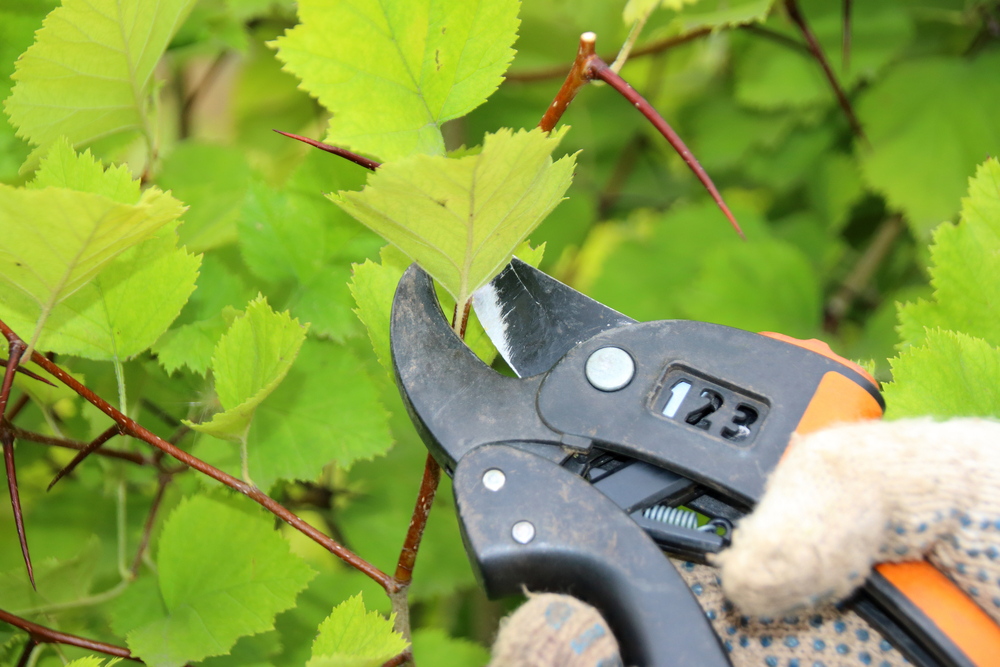
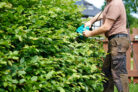
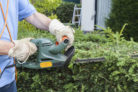
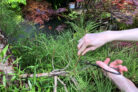
A good pair of hedge shears is your best friend here. For just snipping a few stray vines throughout the year, simple hand pruners work great. Just make sure your tools are clean and sharp! Also, safety first: ivy is toxic and can irritate the skin and lungs. Wear long sleeves, gloves, safety glasses, and even a mask when you’re doing a big job.
Clean Up Your Clippings Fast
Ivy is a survivor. Those little aerial roots on the vines are tough, and even a small clipping can take root in your soil or compost pile if left alone. Don’t let your trimmings sit around! The best way to dispose of ivy is to put it in your trash bin or take it to a local green waste center rather than tossing it in your backyard compost.