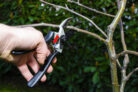
Before you grab your saw or pruning shears, it’s a good idea to have a game plan. If you go in swinging without understanding how pruning affects a tree’s growth, you might end up with a messy canopy and a disappointing harvest. If you’re feeling a bit nervous, don’t sweat it! Many local gardening clubs offer hands-on pruning workshops that are perfect for getting your feet wet.
Aim for a Strong, Productive, and Well-Structured Canopy
The goal for your apple tree is a canopy that is vigorous, sturdy, well-organized, and full of light.
A vigorous canopy is constantly producing new shoots and fruiting wood, which is the secret sauce for high yields year after year. You also need a sturdy structure to actually support the weight of all those heavy apples! By keeping up with regular pruning, you’ll keep the tree manageable and easy to care for. Plus, making sure light can reach every part of the tree is crucial—it helps the fruit ripen beautifully and keeps diseases and pests from moving in.
Winter: The Prime Time for Pruning
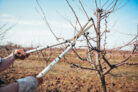
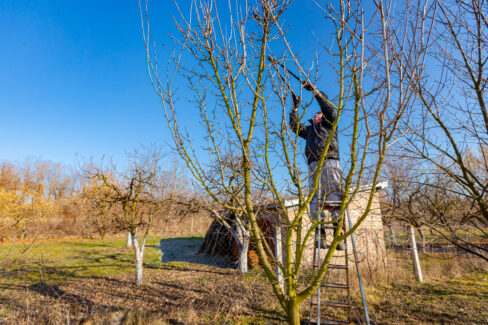
Generally speaking, you’ll want to tackle your apple tree pruning during the winter months, aiming to wrap things up by late February. This isn’t just great for the tree’s growth; it also protects local birds that start nesting as spring approaches. Pick a mild, frost-free day for the job. If you’re a beginner, winter pruning is actually much easier because, without all those leaves in the way, you can clearly see the “bones” and structure of the tree.
Pruning in the Spring
The very first trim a tree gets after it hits the ground is called the planting cut. If you planted your tree in the fall, you’ll want to do this in early spring. If you’re planting in the spring, go ahead and give it that initial prune right away.
Pruning in the Summer
While winter is standard, a summer prune can actually be a great move. It’s a perfect time to fix any “oops” moments from your winter pruning. If you spot any diseased or dead wood, get it out of there immediately! Summer is also a great time to spread or tie down main branches to a more horizontal position, which opens up the canopy to more light and air. This extra airflow is a big help in preventing fungal infections. You can also thin out those “water sprouts” (those straight-up vertical shoots) that often pop up after a heavy winter prune.
Pruning in the Fall
If you have an old, neglected tree, you can bring it back to life with a rejuvenation prune. Since this is a big job, it’s best to spread it out over a few years. I recommend starting the thinning process in the first year during the fall. Just keep in mind that pruning in the fall usually triggers more vigorous new growth than late winter pruning does. Keep an eye on it so the canopy doesn’t become a tangled thicket!