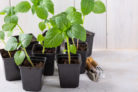
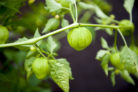
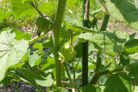
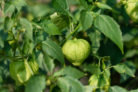
You can propagate your physalis (also known as Cape gooseberries or ground cherries) using either seeds or cuttings. Both methods have their pros and cons, but with a few insider tips, you’ll be growing a lush crop in no time!
Propagating from Seeds
Even though physalis is technically a perennial, most gardeners don’t bother overwintering the whole plant. Instead, it’s super common to start fresh every year using seeds saved from the previous season’s harvest. Just harvest the fruit in the fall, prep the seeds for storage, and keep them in a cool, dry spot over the winter. Come February, you’re ready to get planting!
How to sow your seeds:
- Soak the seeds in lukewarm water for 24 hours to give them a head start.
- Fill an indoor seed-starting tray or mini greenhouse with high-quality seed-starting mix.
- Spread the seeds on the surface and press them down gently.
- Give them a light watering.
Pro tip: Physalis seeds are “light germinators,” which means they need light to sprout. Don’t bury them under the soil! Keep them at a steady temperature of around 68°F (20°C). Germination can take up to 24 days, so be patient and make sure the soil stays consistently moist the whole time.
Propagating from Cuttings
If you want to skip the seed phase, you can propagate physalis via cuttings. You can keep these cuttings frost-free over the winter at about 65-68°F. During the growing season, this is also a fantastic way to multiply your garden stock quickly without needing a ton of seeds. The best part? Cuttings are genetic clones of the mother plant, so you know exactly what you’re getting in terms of flavor and yield.
How to take cuttings:
- Snip off a shoot about 4 inches (10 cm) long.
- Remove any flowers or tiny developing fruits.
- Place the cuttings in a glass of water until roots start to show.
- Change the water daily to keep it fresh.
- Once rooted, pot them up or plant them directly in your garden bed.
You’ll usually see the first roots appearing within just a few days! After a week or two, they’ll be ready to go into the ground. If you prefer, you can skip the water step and plant the cuttings directly into moist soil—just be sure to strip off the bottom leaves first. To keep them from drying out, keep the soil damp and consider popping a clear plastic bag over them to create a little humidity dome for the first few weeks.