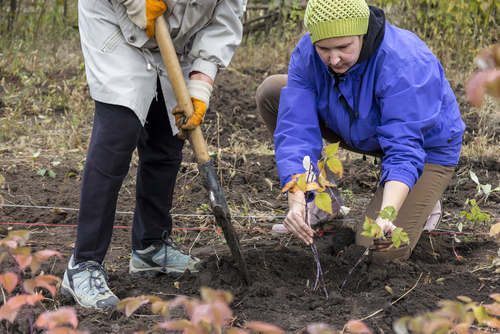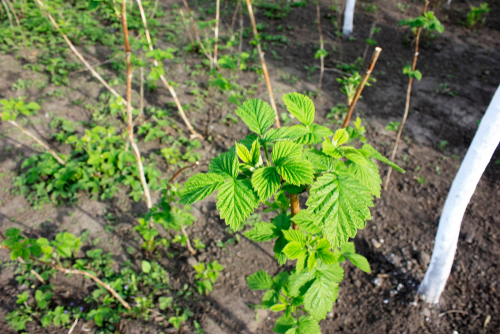
If you’re dreaming of a lush row of raspberries or a berry hedge in your backyard, there’s one golden rule you shouldn’t skip: don’t crowd your plants! Giving your raspberries some breathing room ensures they get plenty of sunlight and, more importantly, keeps nasty diseases at bay.
Why spacing is a big deal for your berries
When plants are packed in too tight, you’re asking for trouble. Even though raspberry starts look small and unassuming when you first plant them, they need space to spread their wings (or canes, in this case). Here’s why proper spacing is a game-changer:
- It promotes vigorous, healthy growth.
- It ensures every plant gets its fair share of nutrients.
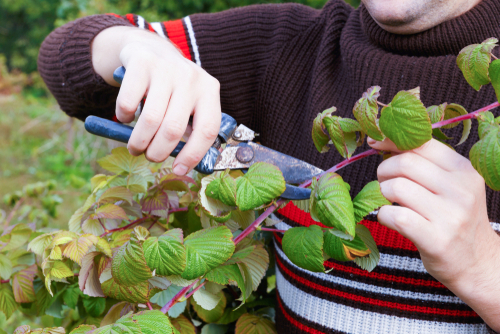
- It makes pruning and maintenance way easier on your back.
- It’s your first line of defense against pests and diseases.
The “Sweet Spot” for raspberry spacing
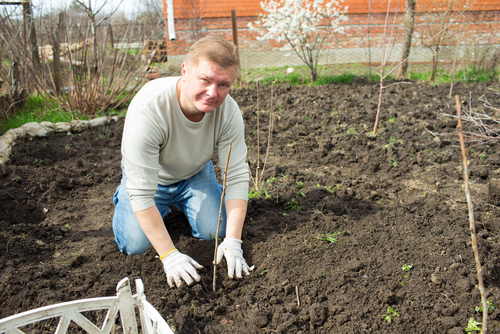
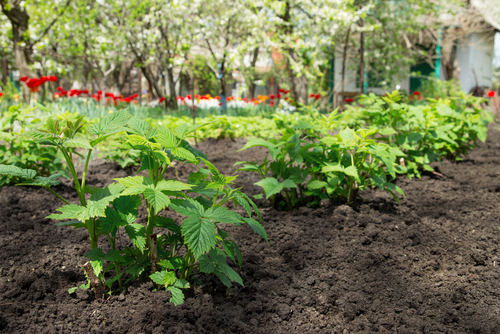
When you’re ready to get those raspberries in the ground, aim for a distance of at least 16 inches (40 cm) between each plant. Honestly, 20 inches (50 cm) is even better if you have the room. If you’re planting multiple rows, leave about 4 to 5 feet (120 to 150 cm) between the rows.
This extra space isn’t just for the plants—it’s for you! It gives you plenty of room to walk through, prune, and harvest without getting tangled in thorny canes. Also, keep an eye on where you place your berry patch in relation to other garden beds. Those long canes love to flop over and can easily smother neighboring veggies if they’re too close.
Using space to fight off disease
The biggest threat to a raspberry patch is usually a fungal infection. Fungi are bad news—they can cause your berries to mold before you even pick them and eventually lead to root rot, which is a death sentence for the plant.
Fungus thrives in damp, stagnant conditions. If your plants are crammed together, moisture gets trapped, and diseases can leap from one plant to the next before you even realize there’s a problem. Before you know it, your entire row could be infected.
The trick is keeping the leaves dry. Fungus has a much harder time taking hold on dry foliage. By using a trellis and giving your plants enough space, you allow the air to circulate freely. This helps the morning dew and rainwater evaporate quickly, leaving the fungus without the damp environment it needs to grow.