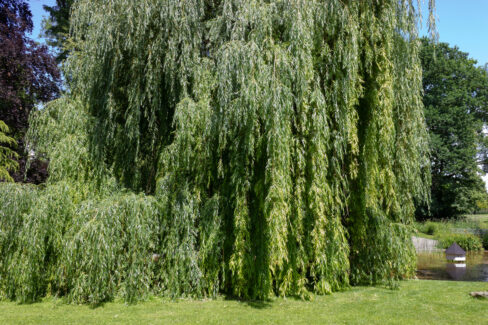
Willows are famous for their incredible growth spurts. If you’re thinking about adding one to your landscape, you’ve got to stay one step ahead of it! Finding the perfect spot is key, and how fast your tree takes off really depends on the variety you pick and how much TLC you give it. Here’s the lowdown on what to expect.
What to Expect from Willow Growth
Once those willow roots get settled in, these trees don’t waste any time—they practically shoot toward the sky! You’ll see the most dramatic growth during the first few years. But here’s a pro tip: remember that there’s just as much happening underground as there is above. A willow’s root system can spread out more than twice as wide as its canopy. Make sure you give your tree plenty of “elbow room” so it can stretch out and soak up all the nutrients it needs.
There are tons of different willow varieties out there, and they all grow a bit differently. If you have a big property with a pond or a lake, a classic Weeping Willow is a stunning choice. They grow massive and offer that iconic, romantic look we all love.
On the flip side, if you’re working with a smaller backyard or even a balcony, don’t worry—you can still join the willow club! Just look for dwarf or smaller varieties. The Silver Willow or the dappled “Hakuro Nishiki” (Harlequin Willow) are fantastic options for a more compact planting spot.
How to Help Your Willow Thrive
Your willow will only reach its full potential if it’s happy in its home. To get that lush, rapid growth, you need to prioritize two things: plenty of sunshine and lots of water. Willows are thirsty trees! You also want to make sure the soil is packed with the right nutrients to keep them fueled up.
Here is the “dream soil” for a willow:
- Consistently moist soil (but not swampy/standing water)
- Rich in organic nutrients
- A neutral or slightly acidic pH level