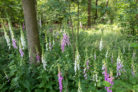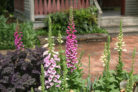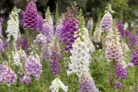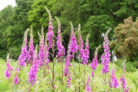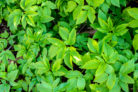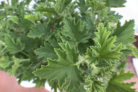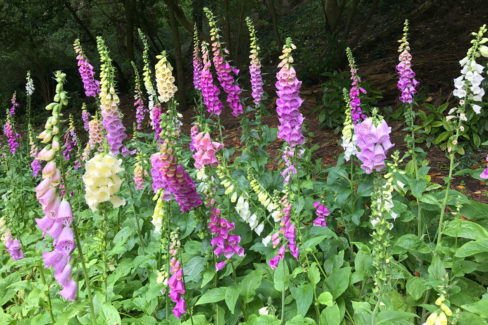
Foxglove is a stunning addition to any garden with its tall, colorful spikes, but it’s important to remember that those lush green leaves are just as toxic as the flowers. If you’re planning on growing this beauty, here’s everything you need to know about handling its foliage safely.
The Leaves are Toxic
Just like the rest of the plant, foxglove leaves are highly poisonous. In fact, the stems of the leaves contain some of the highest concentrations of toxic digitaloids. Simply touching the plant can cause skin irritation or even open sores for some people. That’s why I always recommend wearing a good pair of gardening gloves whenever you’re working near them. And as a rule of thumb: always wash your hands thoroughly after you’re done in the garden, just to be safe!
Understanding the Lethal Dose
It doesn’t take much for foxglove to become dangerous; for an adult, consuming as few as two leaves can be fatal. Because of this, you have to be extra cautious if you have little ones or furry friends running around. If you have curious toddlers or pets that like to nibble on greenery, you might want to think twice before you sow foxglove seeds in your yard.
In the worst-case scenario, foxglove poisoning can be fatal for both humans and animals. Even mild cases are no walk in the park—symptoms usually include nausea, vomiting, diarrhea, hallucinations, or blurred vision.
How to Identify the Leaves
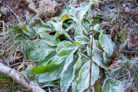
Since foxglove is a biennial, it spends its first year as a simple rosette of green leaves without any [ink u=fingerhut-bluetezeit]flower stalks or blooms[/ink]. Because it looks a bit plain in year one, many gardeners mistake it for a weed and pull it out by accident! However, if you know what to look for, the leaves are actually pretty easy to spot.
Keep an eye out for these specific features:
- An elongated, oval shape
- Toothed or notched edges along the margins
- Leaves that can grow up to 8 inches (20 cm) long
- An alternating pattern along the stem
- Lower leaves have stalks (petioles), while upper leaves sit directly on the stem
- A fuzzy, felt-like texture on the underside
What the Leaves Tell You About Plant Health
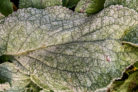
Sometimes you’ll notice white spots on the leaves, or they might start curling up and turning brown. These are usually red flags that your plant is struggling. The most common culprits are powdery mildew and leaf spot disease, so keep a close watch on that foliage!
A Quick Pro-Tip:
Interestingly, foxglove leaves have historically been used in external poultices to help with wound healing. However, because of the high toxicity, I’d suggest leaving this to the experts. If you do experiment with traditional remedies, be incredibly careful to ensure the toxic juices don’t have direct, prolonged contact with your skin. Safety first!