If you want to get the biggest harvest possible when growing raspberries, it all starts with the ground beneath your feet. Getting your soil conditions just right is the secret sauce to juicy berries. In this post, I’m going to walk you through exactly what kind of dirt these plants crave.
The Ideal Soil: Rich, Loose, and Loaded with Nutrients
Technically, raspberry plants are survivors and can grow in poor soil, but if you want a bumper crop, you’ve got to feed them well. They thrive in nutrient-rich environments. Just as importantly, the soil needs to be loose and well-draining. Raspberries are notorious for hating “wet feet”—standing water is their worst enemy. Aim for soil that is airy and packed with organic matter (humus).
How to Prep Your Soil Like a Pro
To give your raspberry canes the best start in life, follow these simple steps to prep your planting site:
- Loosen the soil thoroughly
- Remove any large clumps or debris
- Keep the area completely weed-free
- Mix sand into heavy, dense soils
- Work in peat, well-rotted manure, or compost
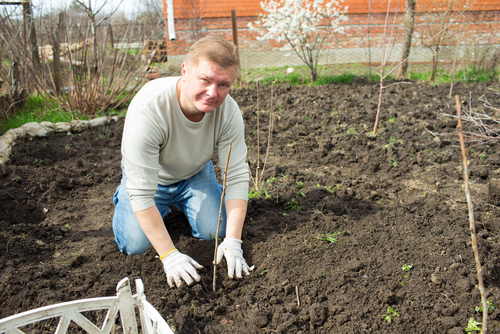
If your garden has heavy, compacted clay, your raspberries are going to struggle. Don’t worry, though—you can fix it! Before planting, dig deep to loosen the earth. Mix in some fine sand to improve the texture and drainage. This is also the perfect time to enrich the soil by digging in plenty of compost, peat, or aged manure.
Make sure to clear out any large stones, old roots, or hard clumps of dirt. These obstacles can block rainwater from draining away, leading to that dreaded standing water. If the roots sit in water for too long, they’ll rot, and your plants won’t recover.
The Raised Bed Advantage
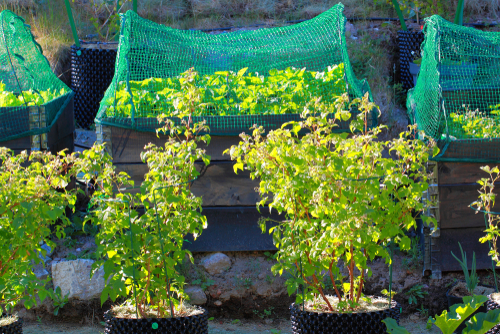
By the way, if you’re dealing with tough soil, consider a raised bed or a “mound” bed. This is actually one of the best ways to grow raspberries because it gives you total control over the soil quality. Plus, gravity does the work for you—excess rainwater drains away easily, so you never have to worry about root rot.