A mature wisteria is a total showstopper, creating a magical carpet of blooms that’s hard to beat. But let’s be real—getting there takes a little patience. Wisteria usually needs to reach a certain size before it starts putting on its big floral show. But what if your plant just isn’t growing? If your wisteria seems stuck, here are a few things that might be going on.
The Wrong Spot
One of the biggest reasons for stunted growth is picking the wrong location. When you’re scouting for the perfect spot, keep two things in mind. First, these plants are sun-worshippers. They need plenty of bright, warm sunlight to thrive. Also, keep in mind that while mature wisteria is pretty tough, young plants aren’t fully winter-hardy for the first couple of years. You’ll want to make sure they are properly protected during those first few winters.
Second, the soil might be the culprit. Wisteria loves loose, well-draining soil. You’ll want to water it regularly, but be careful not to overdo it—standing water is a nightmare for wisteria roots. For the best results, use a mix of soil and sand, and try to avoid soil that is too alkaline (high in lime).
Care and Feeding Mistakes
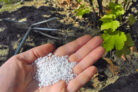
Sometimes, a little “tough love” or a slip-up in your routine can hold your plant back. This usually comes down to a lack of nutrients or fertilizing at the wrong time. As a rule of thumb, you should only fertilize your wisteria during the warmer months. Well-aged compost is your best friend here. If you regularly mix some into the soil around the base of the plant, your wisteria will have all the fuel it needs to grow.
Quick Tips for Fertilizing:
- Stick to low-nitrogen fertilizers.
- Stop fertilizing once fall hits.
- Wait until spring to start feeding again.
- Use mature compost or a low-nitrogen, slow-release fertilizer.
Pruning is also a huge factor in healthy growth. The best time to prune is in the spring, right after the threat of frost has passed but before the plant is covered in leaves. Don’t be afraid to get in there—you can even prune wisteria back radically if needed. Since flowers usually don’t grow on brand-new shoots anyway, experienced gardeners aren’t shy about giving the plant a heavy haircut. It grows back incredibly fast, so don’t worry about being too bold!