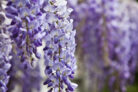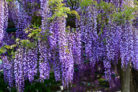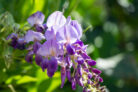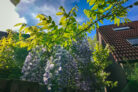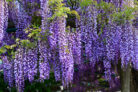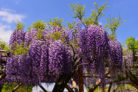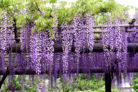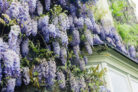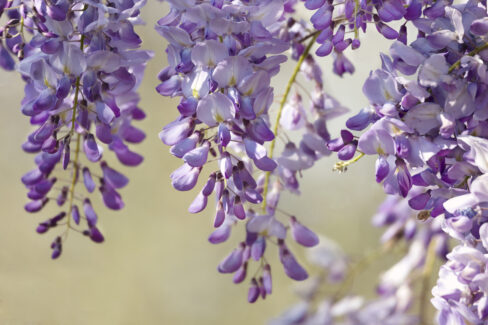
The stunning, cascading blooms are exactly why we all fall in love with Wisteria. So, it’s beyond frustrating when your plant refuses to show off those iconic flowers. First off, don’t panic—it might just be that your plant is still a “teenager” and needs a few more years to mature. However, if it’s been a while and you’re still seeing nothing but green leaves, there are a few other culprits to blame. Here’s a look at the most common reasons your Wisteria is being shy.
Location, Location, Location
If your Wisteria isn’t blooming right away, it’s usually not a cause for alarm. It can take several years for a young plant to settle in and start beautifying your garden. But to get there, it needs a serious amount of nutrients and the perfect spot. Getting the location right from day one is half the battle.
Wisteria is a total sun-worshipper. It needs plenty of direct sunlight to fuel its natural metabolic processes and trigger flower production. If you plant your Wisteria in the shade, you’ll likely end up with lots of foliage but zero flowers. You also want to give it some breathing room. Wisteria roots like to spread out, and if it’s crowded by other large plants, they might end up stealing the nutrients your Wisteria needs to bloom.
The ideal soil for Wisteria:
- Loose and well-draining
- A mix of sand and garden soil
- Consistently moist, but never waterlogged
Common Care Mistakes
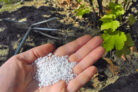
It’s not always about where you plant it; sometimes it’s about how you’re looking after it. One of the biggest mistakes gardeners make is using the wrong fertilizer. If you hit your Wisteria with a high-nitrogen fertilizer, the plant will go into “growth mode,” producing tons of long vines and green leaves while completely forgetting to make flowers. Stick to low-nitrogen fertilizers instead. Mature compost is a great natural choice, or you can find specific store-bought formulas. Avoid fresh manure, as it’s usually way too high in nitrogen for a Wisteria.
If “wet feet” (standing water) is the issue, you’ll need to improve the drainage. Adding a drainage layer of gravel or sand can help move excess moisture away from the roots. The goal is to water regularly but avoid creating a swamp. As for timing, feed your plant during the warmer growing months, but stop fertilizing entirely once fall rolls around to let the plant harden off for winter.