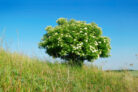
Elderberry can be a real powerhouse in the garden, but let’s be honest—sometimes it’s a little *too* enthusiastic. Before you know it, that lovely shrub has taken over your entire yard. If you’ve reached the point where you want to get rid of your elderberry for good, you’re going to need some serious persistence. Here’s the game plan for reclaiming your garden!
Keep Sawing Away
If you’re looking to remove an elderberry bush, get ready for a bit of a workout and a lot of patience. When pruning back your elderberry just isn’t enough anymore, try these tactics:
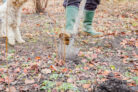
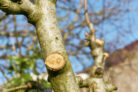
- Saw the rootstock off well below the soil line, then cover the area with fresh soil and grass seed.
- Keep a sharp eye out for new shoots. As soon as you see a sprout popping up, cut it back immediately—don’t give it a chance to breathe!
- If it’s being stubborn, you might need to dig out the rootstock and break it apart with a chainsaw.
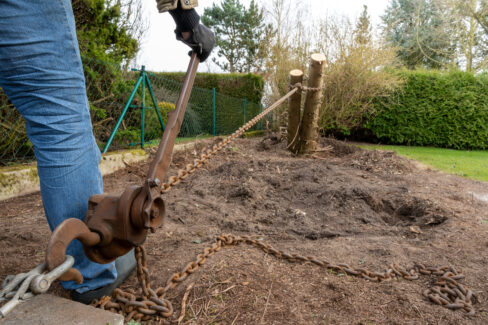
- As a last resort, you can try using a pulley system or a winch to yank the entire root system right out of the ground.
Bring in a Stump Grinder
If you’ve been working up a sweat with no luck and don’t want to shell out the big bucks for an excavator, a motorized stump grinder is your best friend. You can rent these at most hardware stores, and many are about the size of a lawn mower, making them pretty easy to handle.
An elderberry bush doesn’t stand a chance against one of these. The grinding head shreds the rootstock into tiny pieces until all that’s left is a pile of wood chips. Bonus: you can use those chips as mulch elsewhere in your garden!
A Word of Caution on Chemical Methods
You might find products on the market based on magnesium nitrate and sodium nitrate—the same stuff used in fireworks. The idea is to mix these with kerosene, pour the mixture into holes drilled in the stump, and light it up. The goal is to burn the rootstock from the inside out until nothing remains. However, because these materials are highly flammable and can be risky, I’d recommend sticking to the mechanical methods first!