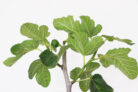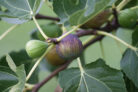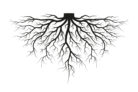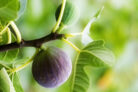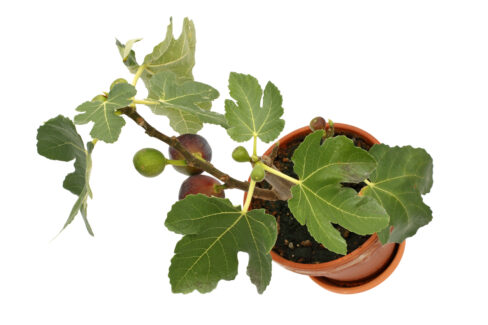
Fig trees are actually fantastic candidates for container gardening, but there’s a catch: these little trees need a new home at least every two years. The real trick is moving them without stressing out their sensitive root systems. Don’t worry, though—with a few pro tips, you’ll be able to repot your fig tree like a seasoned gardener.
Timing
Timing is everything! You’ll want to repot your container fig in early spring, right before it starts pushing out new growth. If your tree spends the winter outdoors, aim for late March or early April once the hard frosts have passed. If you keep yours in a protected indoor spot over winter, try to repot it about a week or two before you plan to move it back outside for the season.
While every two years is the standard rule of thumb, younger trees are often overachievers. If yours is growing like crazy, it might need a new pot every year. A surefire sign it’s time for an upgrade? When you see roots starting to peek out through the drainage holes at the bottom.
The Right Soil
When it comes to soil, figs aren’t too picky. A high-quality potting mix from your local garden center works great. If you want to give them a little extra love, you can use vegetable soil or compost-rich soil, which is packed with the nutrients they crave. Just remember that container-grown figs are hungry plants, so you’ll still need to fertilize your potted trees regularly to keep them happy.
Choosing the Right Pot
If you’re wondering about pot size, bigger is almost always better. In fact, most people start with a pot that’s way too small! Figs have aggressive root systems, so you want to give them enough “elbow room” to grow for the next two years. A good rule of thumb? You should have about two hand-widths of space between the root ball and the edge of the new pot.
Setting Up Drainage
To keep your fig from getting “soggy feet,” start with a drainage layer at the very bottom using lava rock or expanded clay pebbles. The depth of this layer depends on the size of your plant. If you have a smaller root ball, make the drainage layer a bit thicker. Why? Fewer roots mean the plant drinks less water, which increases the risk of root rot from standing water.
For older, established trees with massive root systems, a couple of inches of drainage material is plenty. Once that’s set, add a layer of soil, center your tree, and fill the rest of the pot up to the rim. Give it a good soak to settle the soil, and you’re all set!