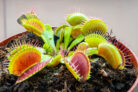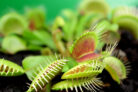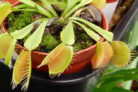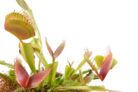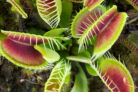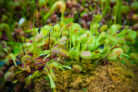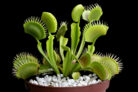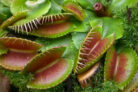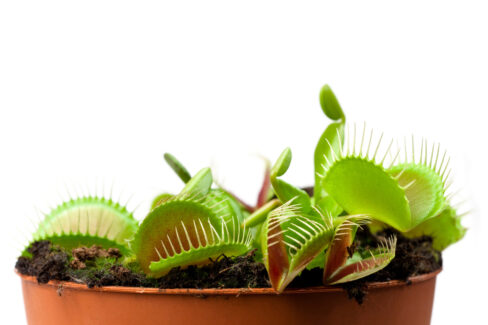
If you’re diving into the world of Venus flytraps, getting the pot size right is one of the most important first steps. Even though these cool carnivores don’t grow massive root systems, they still need plenty of room to spread out and stay healthy without getting “wet feet” from standing water.
Finding the Perfect Pot Size
A good rule of thumb is to choose a pot with a diameter roughly equal to the height of your plant. If the pot is a little bigger, no worries—it’s better to have a bit of extra space than not enough. You’ll also want enough depth to include a drainage layer at the bottom. Make sure the pot has one or more drainage holes to keep the watering levels just right.
Quick tip: If you’re using a classic terracotta pot, soak it in water before you start planting. Clay is porous and loves to soak up moisture; if you skip this step, the pot will suck the water right out of your soil and leave your flytrap thirsty!
The Best Soil for Your Flytrap
Whatever you do, stay away from standard garden soil or potting mix! These are way too nutrient-heavy for Venus flytraps. Plus, regular soil doesn’t have the airy texture these plants crave. Instead, pick up a specialized carnivorous plant soil. In a pinch, you can use orchid bark, provided it hasn’t been heavily fertilized.
If you want to go the pro route, many growers prefer mixing their own substrate. A great DIY mix might include:
- Sphagnum peat moss
- Quartz sand
- Perlite or styrofoam beads
- Expanded clay pebbles
Start by lining the bottom of the pot with a drainage layer of coarse sand or pebbles. This keeps the roots nice and humid without letting them rot in stagnant water.
How to Water Your Potted Flytrap
The best way to water a Venus flytrap is from the bottom up. Place your pot in a saucer and pour rainwater directly into the tray rather than over the plant itself. This allows the plant to “drink” exactly what it needs. Once the saucer is dry, wait about two days before refilling it.
Keep an eye on the humidity, too—these guys love a constant humidity level between 60% and 80%. They aren’t big fans of temperature swings or drafty hallways. During the summer, your flytrap will be happiest in a sheltered spot on the patio where it can catch some sun (and maybe a snack!).