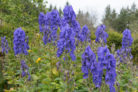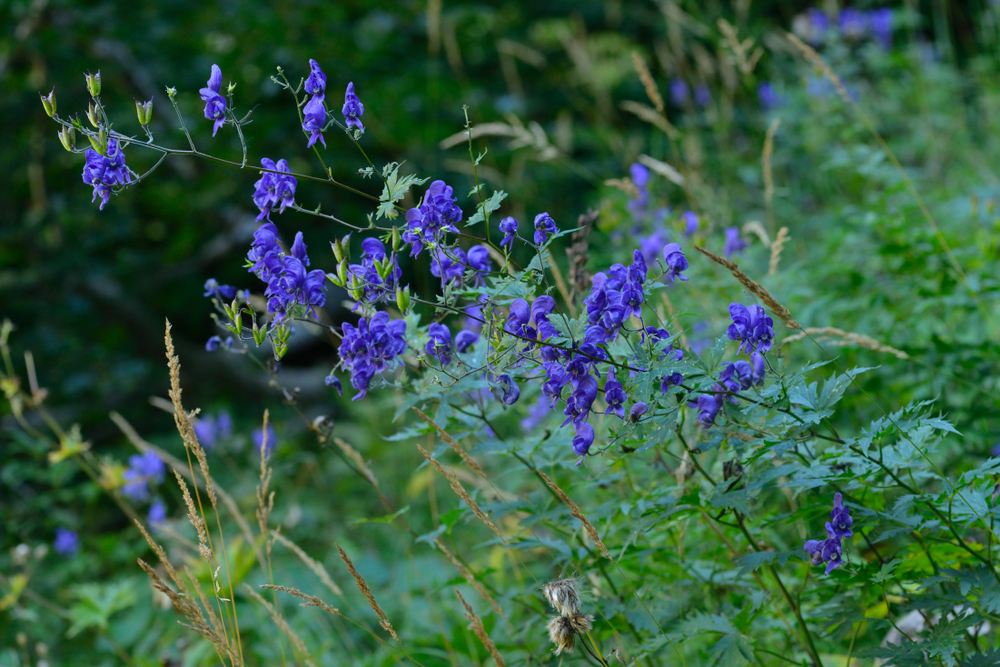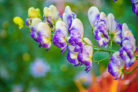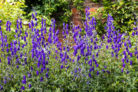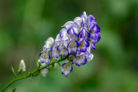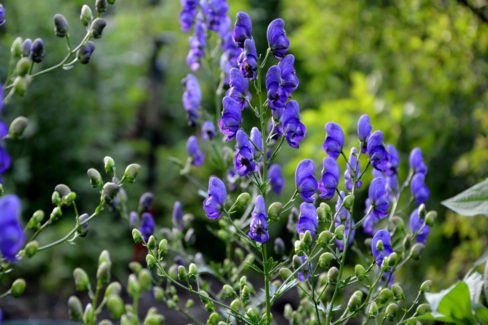
Monkshood (Aconite) is a huge favorite in the garden because it’s stunningly beautiful and surprisingly low-maintenance. Honestly, as long as you give it some extra water during dry spells and a little fertilizer while it’s blooming, it’s happy. Once the foliage starts to wither, you can go ahead and cut it back.
Pruning Your Monkshood
Now, let’s talk safety. This perennial is poisonous, so you have to handle it with respect. Even just touching the leaves can cause nasty skin irritation for some people. Always wear gardening gloves when you’re working with Monkshood—no exceptions! With your gloves on, you can pluck off wilted leaves or dry stems throughout the season. Around October, you can cut the dry stalks all the way down to the ground. Here’s your checklist for a safe prune:
- Always wear sturdy gardening gloves.
- Use sharp, clean bypass pruners or shears.
- Give your tools a good rinse after you’re finished.
- Toss the clippings in the trash or your green waste bin. If you use a compost pile, make sure it’s in a spot where kids can’t get to it.
Monkshood as a Cut Flower
Monkshood makes a gorgeous addition to floral arrangements, but you’ve got to keep those safety precautions in mind indoors, too. Don’t let fallen petals sit on the table where kids or curious pets might touch or nibble them. And yep, keep those gloves on while you’re cutting them and arranging them in the vase.
For the best vase life, don’t wait until every single “hood” has opened. The perfect time to snip is when about a third of the flowers on the stalk are open. Since the blossoms open sequentially, they actually last quite a while! One thing to watch out for: Monkshood doesn’t always play well with others. The toxins can seep into the water and cause other flowers in the same vase to wilt prematurely, so you might want to give it its own dedicated vase.
Pruning for Rejuvenation
If your Monkshood is starting to look a little tired or overgrown, you can rejuvenate it by dividing it. Just before the new growth starts in early spring, carefully dig up the root ball and split it with a sharp spade. Again, gloves are a must here! Be extra careful not to get any sap on your skin, as the roots are actually the most toxic part of the entire plant.