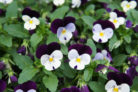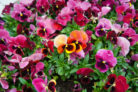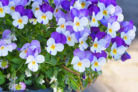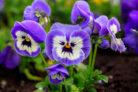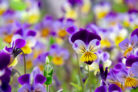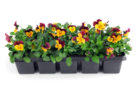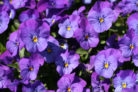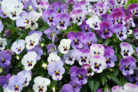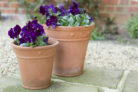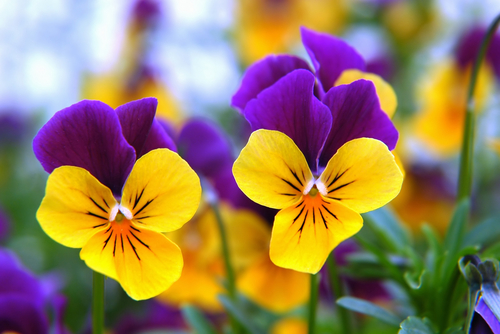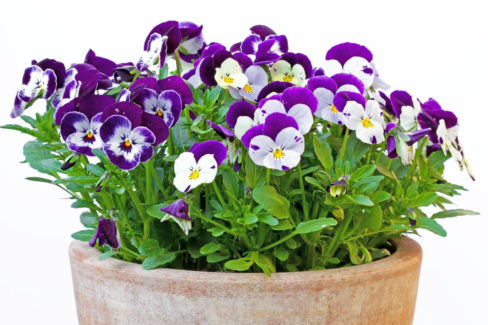
Johnny Jump-Ups (also known as horned violets) belong to the Violaceae family, a massive group of about 500 species loved by gardeners all over the world. These little beauties are super easy-going spring flowers. They’re a bit bigger than your typical wild field pansy but stay smaller and more delicate than those giant garden pansies we all know.
Finding the Perfect Spot and Soil
Johnny Jump-Ups love a sunny spot, but they’re not picky—they’ll do just fine in partial shade, too. Their “happy place” is somewhere bright with soil that stays consistently moist. If you want them to really thrive, look for soil that is:
- Nice and loose (not packed down)
- Nutrient-rich
- Well-draining (no soggy feet!)
- Packed with organic matter or humus
If you’re worried about drainage, you can always add a layer of coarse gravel at the bottom of the planting hole. Usually, good garden soil does the trick, but if you’re planting them in pots or window boxes, go for a high-quality potting mix rich in humus. Before you dig them in, I recommend mixing in some compost or a slow-release organic fertilizer to give them a head start. As long as they get a few hours of sun every day, they’ll be happy almost anywhere—they look especially great in perennial beds or rock gardens. Since they’re some of the first flowers to pop up in the spring, make sure to plant them front and center! Because they stay low to the ground, tuck them into the front of your borders so they don’t get hidden by taller plants.
Sowing Your Seeds
You can sow seeds directly into your garden beds until late September, and they’ll reward you with blooms the following year. If you’re itching to get started early, you can also start them indoors in seed trays on a windowsill as early as January. Just keep the soil moist and keep them out of harsh, direct sunlight while they’re babies. Once the seedlings are strong enough, move them outside to their permanent home. They’ll bloom through the summer and eventually drop their seeds. You can collect these to plant exactly where you want them next year, but honestly? It’s much easier to just let them self-seed. If they like where they are, they’ll naturalize and cross-pollinate on their own. The best part? You’ll get fun, brand-new color combinations popping up in your garden every year!