Epsom salt is one of those garden hacks people love to talk about, but here’s the deal: you should only use it on your Thuja (Arborvitae) if you’re 100% sure there’s a magnesium deficiency. Too much of a good thing can actually backfire, burning your tree’s roots and making it impossible for them to soak up water.
When should you actually use Epsom salt on Arborvitae?
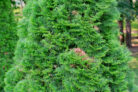
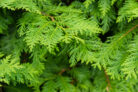
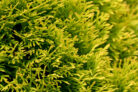
You’ll often hear Epsom salt recommended as a go-to fertilizer for Thuja, but it really only helps if your tree is starving for magnesium. Yellow tips on the branches are usually the first red flag. However, the only way to know for sure is to get a soil test done at a lab.
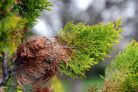
Before you go the lab route, try to rule out other common issues. Yellowing needles are often just a sign of “oops” moments in care, like watering too much (or too little) or over-fertilizing. If left alone, those tips will eventually turn brown. Pests or diseases could also be the culprits, so do a little detective work first!
How to use Epsom salt as a fertilizer for Thuja
If you’ve confirmed that your hedge is definitely lacking magnesium, Epsom salt can be a lifesaver. Just make sure you keep these three things in mind:
- Get the dosage right
- Time it perfectly
- Apply it with care
Getting the dosage right
The dose makes the poison! Salt is tough on roots and can cause serious chemical burns. In the worst-case scenario, the roots stop absorbing nutrients and water altogether, which can kill off a beautiful hedge you’ve worked hard to grow. Be stingy with the salt and never, ever exceed the instructions on the package.
The best time to fertilize
Timing is everything if you want the treatment to work without causing side effects. Here’s your checklist:
- Spring is the ideal time.
- If needed, you can do a second round in the summer.
- Only apply on cloudy days.
- Make sure the soil is already moist.
- Avoid applying right before a heavy downpour.
How to apply it correctly
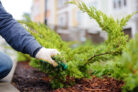
You can find Epsom salt in both liquid and granular forms. Regardless of which one you choose, try to keep it away from the main trunk. If you’re using a liquid spray, give the needles a light misting without soaking them. If you’re using the dry granules, spread them evenly around the base of the tree.