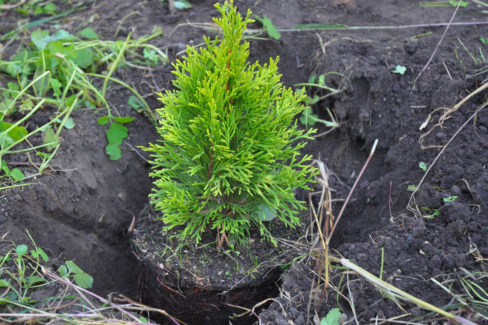
To keep your Thuja Brabant (also known as American Arborvitae) looking lush and healthy, getting the nutrients right is key. However, more isn’t always better—over-fertilizing can actually do more harm than good. Let’s dive into the best ways to feed your hedge without overdoing it.
What’s the Best Fertilizer for Thuja Brabant?
In my experience, these evergreens absolutely love organic options. Using natural materials helps improve the soil structure while feeding the plant. A simple layer of mulch, grass clippings, or fallen leaves can provide a steady stream of nutrients. If you want to give them a little extra boost, try these:
- Well-aged compost
- Cured manure
- Horn shavings or blood meal
If you prefer store-bought options, a specialized conifer fertilizer works great. Just make sure to choose a slow-release formula to avoid “burning” the plant. If you over-fertilize, you’ll likely see the needles turn brown. In severe cases, the roots can get damaged to the point where they can’t soak up water anymore.
You might have heard people rave about Epsom salts (magnesium sulfate). I only recommend using this if your Thuja is actually suffering from a magnesium deficiency, which usually shows up as yellowing needles. If you’re unsure, a quick soil test is the best way to be certain. Just a heads-up: never let Epsom salts come into direct contact with the trunk or the roots.
When and How Should You Fertilize?
If you prepped your soil well before planting or bought high-quality root-balled trees, you actually don’t need to fertilize at all during the first year. Starting in the second year, give them their first feeding in early spring before the new growth starts popping out.
If you’re using a mineral-based conifer fertilizer, stick strictly to the dosage on the label to keep your hedge healthy. Gently work the fertilizer into the top layer of soil and then give the area a good soak with water to help it reach the roots.
If a soil test shows you need Epsom salts, follow the package directions carefully. You can find it in liquid or granular form. Pro tip: apply it on a cloudy day. If you’re using the granular type, spread it on the ground (keeping it away from the trunk) and water it in well. If you’re using a liquid spray, make sure to coat both the tops and bottoms of the needles for the best results.