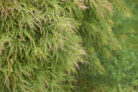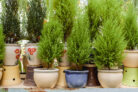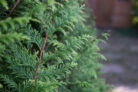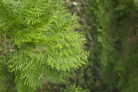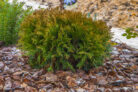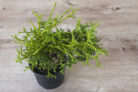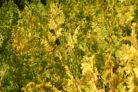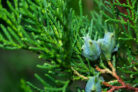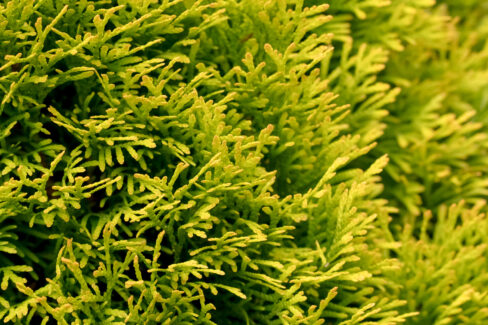
If you notice yellow tips on your Arborvitae (Thuja), it’s almost always a cry for help. While pests or diseases can occasionally be the culprit, yellowing is usually a sign of a nutrient deficiency or a watering issue. To keep your hedge from biting the dust, you’ll need to do a little detective work to find the root cause.
Why is my Arborvitae turning yellow at the tips?
The reasons for a yellowing Thuja can vary, but most of the time, it comes down to improper care or a less-than-ideal planting spot. While diseases and bugs aren’t super common, they can happen. Here are the most frequent offenders:
- Soil is too soggy
- Soil is too dry
- Not enough fertilizer
- Over-fertilizing
- Magnesium deficiency
Usually, the first sign that your watering routine or fertilizing schedule is off is yellowing needles. If you ignore these signs, those tips will eventually turn brown. However, don’t panic if you see browning on the inside of the tree during the fall—that’s actually a totally natural part of the plant’s life cycle! Also, keep in mind that newly planted Arborvitae often struggle with brown spots during their first year. You can help them get settled by making sure the soil is well-prepared before they go in the ground.
How do I fix a yellowing Arborvitae?
Step one is identifying the problem so you can take the right action. Most care mistakes are pretty easy to spot. However, if you suspect a magnesium deficiency, you might want to dig a little deeper.
Proper Arborvitae care
If you’re growing Arborvitae as a hedge, your trees are going to need a regular snack of fertilizer. I always recommend organic options because they make it much harder to accidentally over-fertilize. If you have a single “specimen” tree standing alone, it won’t need fertilizer nearly as often. When it comes to water, Thujas are a bit like Goldilocks: they hate “wet feet” (standing water) but they can’t handle a drought either. Aim to keep the soil consistently moist and make sure it drains well.
Identifying magnesium deficiency
Yellow tips are often a classic sign of low magnesium in the soil. Epsom salts (magnesium sulfate) can be a lifesaver here, but you have to use them correctly. Too much of a good thing can actually burn the roots, making it impossible for the tree to take up water. My advice? Only use Epsom salts if you’ve confirmed a deficiency with a soil test.