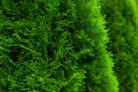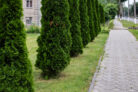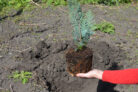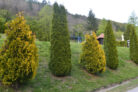
While the Emerald Green Arborvitae (Thuja Smaragd) is generally a low-maintenance superstar in the garden, you can’t just plant it and forget it. To keep that vibrant green glow, these evergreens need a little TLC—especially when it comes to feeding. But be careful: when it comes to fertilizer, you can definitely have too much of a good thing.
What’s the best fertilizer for an Emerald Green Arborvitae?
In my experience, organic is the way to go. It’s much harder to accidentally over-fertilize and “burn” your plants with organic options. If you prefer mineral fertilizers, look for a specialized conifer mix or a balanced granular fertilizer (like 10-10-10). You can find these in both liquid and granular forms. For the organic route, these are your best bets:
- Well-aged compost
- Well-rotted manure
- Horn shavings or blood meal
- A nice layer of mulch made from garden clippings
You’ll often hear people recommend Epsom salts (magnesium sulfate), but it’s not actually a complete fertilizer. Only use it if you’re sure your soil has a magnesium deficiency—a big clue is if the needles start turning yellow. Also, if your soil is too acidic, a little lime can help raise the pH. If the soil is too “sour,” your hedge will struggle to soak up manganese, which often leads to those dreaded blackened tips.
When should you fertilize your Arborvitae?
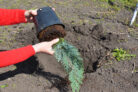
Usually, if you enriched the soil with compost when planting your Thuja Smaragd, it won’t need extra food during its first year. It’s already got a nice “lunch box” to start with! However, if you planted bare-root trees, give them a light feeding as soon as you see new growth starting.
The best time for a nutrient boost is in the spring, regardless of which fertilizer you choose. If the plants look like they need another boost, you can feed them again through the end of July. I also love spreading shredded clippings around the base throughout the summer. This acts as a slow-release mulch and is especially helpful if you’re using fast-acting mineral fertilizers.
How to properly fertilize a Thuja Smaragd
A single specimen tree generally needs less frequent feeding than a dense hedge. The application also depends on whether you’re going organic or mineral:
Using organic fertilizer on your Arborvitae
Natural fertilizers only need to be worked into the top layer of soil once a year. A good rule of thumb is about 1.25 gallons (5 liters) of compost or manure mixed with a handful of horn shavings per yard of hedging. Since Arborvitae are shallow-rooted, be very gentle so you don’t nick the roots. It’s perfectly fine if most of the compost just sits on the surface.
Using mineral fertilizer on your Thuja Smaragd
If you’re using store-bought mineral fertilizers, follow the package directions to a T. In fact, I usually recommend using a little less than the label suggests—it’s better to under-feed than to over-feed. Just make sure the granules or liquid don’t touch the trunk or the foliage directly, as this can cause chemical burns.