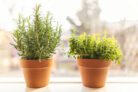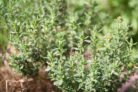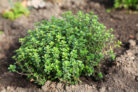
Generally speaking, thyme is a “set it and forget it” kind of herb when it comes to hydration. It loves dry soil and only needs a drink every once in a while. In fact, giving it too much love (and water) can actually do more harm than good! However, there are a few specific times when your thyme will definitely appreciate a little refreshment.
When should you water thyme?
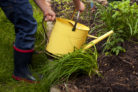
If your thyme is planted directly in your garden bed, you won’t need to pull out the watering can very often. It prefers soil that stays on the drier side and thrives in warm, sunny spots. That said, you should plan to give it some water in the morning or evening under these specific conditions:
- Right after planting new herbs
- During long, scorching heatwaves or droughts
- Immediately after fertilizing
- If you’re growing thyme in a pot
Newly planted or seeded thyme hasn’t had the chance to establish a strong root system yet. It needs a steady supply of water and nutrients to get those roots growing deep. For the first few weeks, keep the soil lightly moist—just be careful not to let it get soggy!
During those peak summer weeks when the rain disappears, you’ll want to check on your plants. Eventually, the moisture deep in the ground runs out, and your thyme will need a manual top-off. Also, a quick watering after you fertilize helps distribute those nutrients down into the soil where the plant can actually reach them.
Tips for watering container-grown thyme
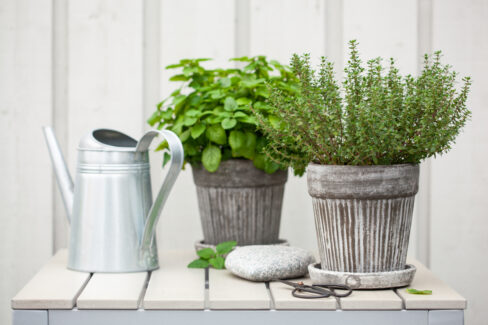
Because pots have limited space, they dry out much faster than the ground does. You’ll want to water your potted thyme regularly as soon as the top layer of soil feels dry to the touch. The golden rule? Never let it sit in standing water. Make sure your pot has excellent drainage so any extra water can flow right out.
Can you overwater thyme?
Yes, and it’s one of the easiest ways to kill the plant! If you overwater, the roots will end up sitting in a swamp, which leads to root rot. Once rot sets in, the roots die off and can no longer “eat” or “drink,” causing the whole plant to suffer. Always water with a light hand and consider adding a drainage layer (like gravel) at the bottom when planting. If you’re using containers, make sure they have plenty of drainage holes and avoid using saucers that trap water at the base.