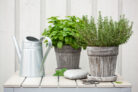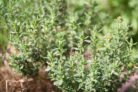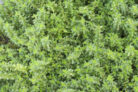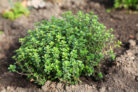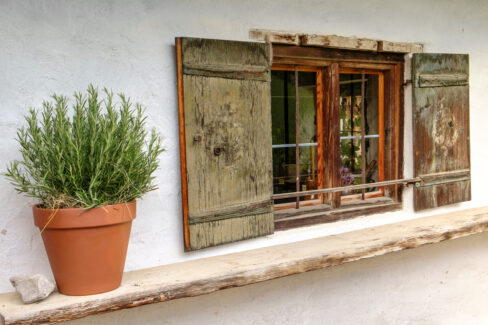
Thyme is a true survivor and rarely needs extra nutrients to thrive. In fact, when it comes to feeding this herb, less is definitely more—too much “love” can actually kill it! Here’s the lowdown on how to keep your thyme happy and healthy without overdoing it.
What’s the Best Fertilizer for Thyme?
Standard mineral fertilizers are often way too concentrated for Mediterranean thyme. These plants prefer a leaner diet, so stick with organic options. If your soil is a bit too acidic, a little lime can help balance things out. The only real exception to the “organic-only” rule is for potted plants. Here are the best organic choices:
- Well-rotted compost
- Aged manure
- For container plants: A dedicated organic herb fertilizer
If you notice yellow or pale green leaves with dark green veins, your thyme might be suffering from an iron deficiency. You can find specific iron fertilizers to fix this, but only use them if you actually see symptoms—don’t use them as a “just in case” treatment. Similarly, if the leaves start curling, it’s usually a sign the plant is hungry and needs a light feeding.
When Should You Fertilize Thyme?
If your thyme is planted in a sunny spot in the garden with decent soil, it barely needs any help at all. A single application of organic fertilizer once a year is plenty for healthy growth. The best time to feed your thyme is in early spring, right before the new growth starts kicking in. Potted plants, however, need a bit more attention. After fertilizing, give your thyme a moderate watering to help those nutrients reach the roots.
How to Feed Potted Thyme
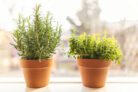
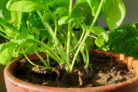
Because container plants have a limited amount of soil, they run out of nutrients much faster than plants in the ground. From March through mid-August, your potted thyme will need a little boost every 4 to 6 weeks. A liquid herb fertilizer mixed into your watering can works perfectly. If you’re using a standard all-purpose liquid fertilizer, make sure to dilute it to half-strength so it isn’t too harsh for the plant.