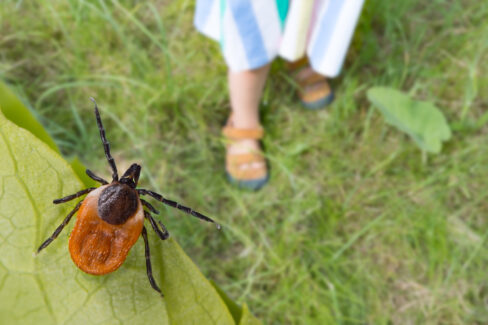
They might be tiny, but ticks are a huge headache for both us and our furry friends. Summer is prime time for these little hitchhikers, and while we usually hear warnings about trekking through the woods or deep brush, your own backyard can be just as much of a hotspot. To stay safe from things like Lyme disease or TBE (Tick-Borne Encephalitis), it’s worth knowing how to keep your garden a “no-fly zone” for ticks.
Why are ticks such a big deal?
Honestly, ticks are nothing to mess with. When these little arachnids latch on for a blood meal, they can pass along nasty pathogens they’ve picked up from previous hosts. The two biggest concerns are:
- Lyme Disease
- TBE (Tick-Borne Encephalitis)
Both of these can lead to serious issues like paralysis or even neurological damage if left untreated.
Where are they hiding in your yard?
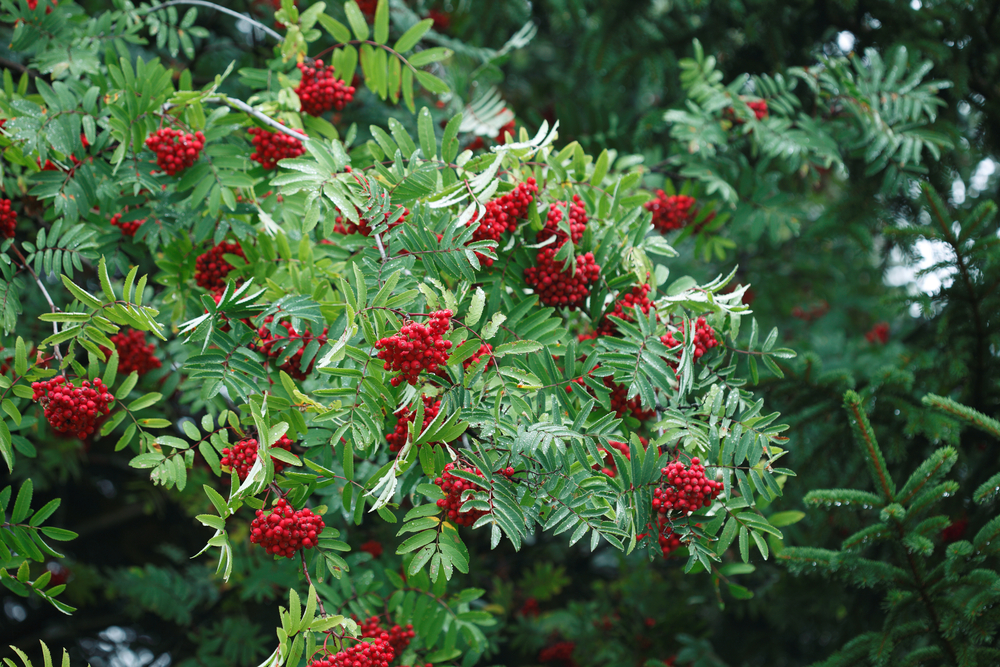
Most people think ticks only hang out in deep, wooded forests. If you’ve got a lot of evergreens in your yard, those are definitely spots to watch out for in the summer. Ticks love to hang out on shrubs and wait for a host to brush by. But here’s the kicker: they also hide in the grass! Even a lawn that’s just a little bit overgrown can be a cozy home for them. They’ll grab onto your skin or your pet’s fur the second you walk past.
They especially love shady, damp spots. On the bright side, they aren’t fans of the cold—when temperatures drop, they usually retreat into the soil.
How to keep your garden (and yourself) safe
- Try using aromatic balms or natural repellents on your skin; ticks aren’t fans of strong scents.
- I know it’s hot out, but try to wear long sleeves and pants when you’re doing heavy gardening.
- Consider fencing your yard or using wire mesh to keep out wildlife like foxes and hedgehogs. These critters are often the ones “delivering” ticks to your lawn.
- Rake up wet leaves and debris. Removing damp hiding spots makes your yard much less inviting.
- Keep that mower running! Mowing your lawn once a week during the summer is a great deterrent.
Pro Tip: Want to see if your garden is a tick hotspot? Take a white sheet and drag it over your bushes and tall grass. If there’s a population nearby, the dark ticks will show up clearly against the white fabric.
What to do if you find a tick
- Use a pair of tweezers to pull the tick out as soon as you spot it.
- Make sure you get the whole thing—don’t leave the head behind in the skin.
- Keep an eye on the bite site over the next few days.
- Use a cold compress if the area feels irritated.
- Disinfect the bite area thoroughly.
- Do a full-body check to make sure there aren’t any other uninvited guests.
- Save the tick in a small container; you can actually send it to a lab to have it tested for diseases.
- If you notice a red ring or “bullseye” rash forming, get to a doctor immediately.
Pro Tip: You can find tick-risk maps online to see if your area is a high-danger zone. If you’re planning a trip to a high-risk region, it’s definitely worth talking to your doctor about preventative vaccinations!