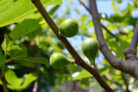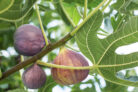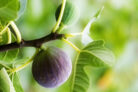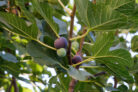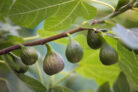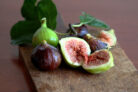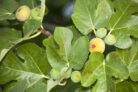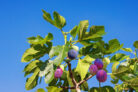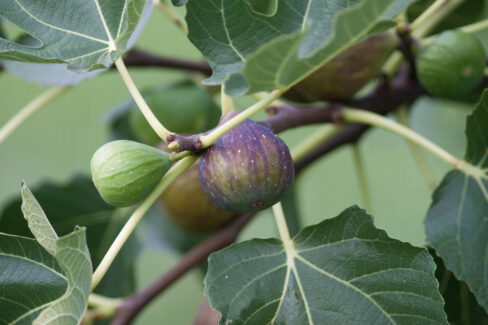
Believe it or not, you don’t need to live in the Mediterranean to enjoy fresh figs! Fig trees actually do surprisingly well in cooler climates, and once they’ve had a few years to settle in, they become quite frost-hardy. If you pick a self-fruiting variety, you can get a fantastic harvest—but the secret to a bumper crop really comes down to proper care and, most importantly, the right soil mix.
The Best Soil for Potted Figs
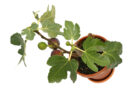
Figs are perfect candidates for container gardening, but they do need a specific soil blend to thrive. The number one rule? It has to drain well. Figs absolutely hate “wet feet” (standing water). I recommend making sure at least a third of your mix consists of mineral components. Ideally, these materials should be able to soak up water and release it slowly back to the roots.
Great mineral additives include:
- Volcanic rock
- Expanded clay pebbles
- Tuff
- Clay granules
For the organic portion, a high-quality standard potting soil or vegetable mix from your local garden center works just fine.
Rich Soil for In-Ground Trees
If you’re planting your fig tree directly in the yard, you still need to prioritize drainage and nutrients. If your backyard soil is heavy or compacted and tends to puddle, you’ll definitely want to create a drainage layer using sand and gravel.
Generally, the best mix for an in-ground fig is a blend of your native topsoil and rich compost. If your native soil is a bit “tired” or nutrient-poor, go heavier on the compost. If it’s heavy clay, mix in some extra sand and gravel. This loosens things up so those fig roots can easily push deep into the ground.
While you can repot a container fig every few years, you obviously can’t do that once a tree is in the ground. To keep the soil quality high, make it a habit to work fresh, nutrient-rich compost into the root zone every single year.
Don’t Forget to Fertilize!
If you want a lot of fruit, you’ve got to keep your tree fed throughout the growing season. Because figs love well-draining soil, nutrients tend to wash away more quickly. That’s why you should start a regular fertilizing routine in the spring. This encourages new growth and prevents the tree from dropping its fruit early due to “hunger.”
From spring through early fall, feed your fig every three weeks with a liquid fertilizer designed for fruits and vegetables. Stop fertilizing entirely in October—this lets the tree “harden off” and get ready for its winter nap.