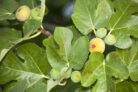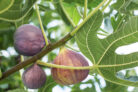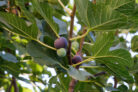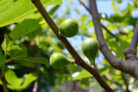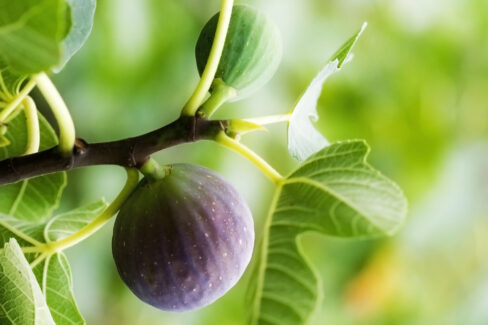
Because they stay relatively small, fig trees are actually perfect for growing in pots or containers. They’re a fantastic choice for a balcony—especially if you have a south-facing spot, because these plants absolutely love the heat.
Pick a Sunny Spot
Figs likely originated in the Mediterranean, so they’re big fans of warm weather. During the summer, they want full sun, and that goes for balcony plants too. While a fig tree will technically grow in partial shade, the rule of thumb is: the more sun it gets, the better your harvest will be.
Your fig tree’s location should also be protected from the wind. This can be a bit tricky on higher-floor balconies, so try to tuck your tree into a sheltered nook. A spot right against a wall is ideal; the wall soaks up heat during the day and radiates it back at night, keeping your fig nice and cozy.
Balcony Care Tips
The great thing about growing figs on a balcony is that they’re pretty hard to mess up during the summer. They’re actually quite forgiving if you forget to water them for a bit. You should water your fig moderately, as these plants handle dry soil much better than “wet feet” (standing water).
Figs aren’t very demanding when it comes to nutrients, either. However, if you want a bumper crop from a potted tree, I recommend repotting it in fresh, nutrient-rich soil every spring and giving it some liquid fertilizer about every three weeks throughout the summer.
Wintering Your Fig Tree
Fig trees have limited frost resistance, but with a little extra TLC, they can survive the winter outside on your balcony. To winterize your fig tree, wrap the branches in burlap. It’s just as important to protect the pot and the roots inside from freezing. You can wrap the container in cardboard or old newspapers for insulation. Also, try propping the pot up on a piece of Styrofoam or a wooden board to shield it from the freezing ground.
One pro tip: make sure to water your fig on frost-free days during the winter. Believe it or not, the most common reason these trees don’t make it through the winter isn’t the cold—it’s that they dry out from a lack of water!