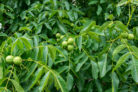
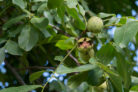
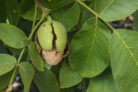
In the fall, the walnut tree puts on a colorful show before dropping its leaves and offering up its harvest. But there’s more going on with these giants as winter approaches than just pretty colors. Let’s dive into what you can expect from your walnut tree during the autumn months.
Walnut Tree Leaves in the Fall
The leaves of a walnut tree go through the most obvious changes once the air gets crisp. You’ll notice two main stages:
- First, a shift to autumn colors,
- Followed quickly by the leaves dropping.
Leaf Color Changes
Just like your other fruit trees, walnut leaves swap their summer green for an autumn palette. You’ll mostly see shades of yellow and brown. To be honest, compared to some other fruit trees, the walnut’s display is a bit more understated and simple. Don’t blink, though—the color usually doesn’t last long before the leaves start hitting the ground.
Dropping the Leaves
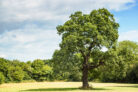
Once the color changes, the leaves fall off pretty fast. Walnut trees are known for being early to shed their foliage. Since they are also some of the last trees to show new leaf growth in the spring, your walnut tree will spend a good chunk of the year looking completely bare in your yard.
The Fruit of the Walnut Tree
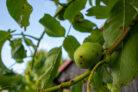
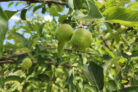
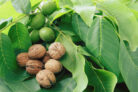
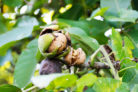
Fall is the big moment for the fruit—the walnuts themselves! This is when they finally ripen into those delicious nuts we love. Once they’re ready, they’ll drop from the tree on their own, so you can just gather them right off the ground. Autumn is officially harvest time for these healthy treats.
Frost Sensitivity in Autumn
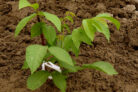
If you have young walnut trees, you’ll want to keep an eye on the thermometer. Young plants are susceptible to frost damage, especially in colder regions or during particularly harsh winters. This is even more important for walnuts grown in containers or walnut bonsais. Make sure to move them indoors or to a sheltered spot before the first big freeze to avoid any serious damage.
Planting a Walnut Tree in the Fall
If you’re looking to add a walnut tree to your landscape, fall is actually the best time for planting. Planting now allows the tree to develop fine roots throughout the winter, which helps it soak up water much better once spring hits. Just remember to provide some frost protection for those small, young trees—their buds are especially sensitive to the cold!