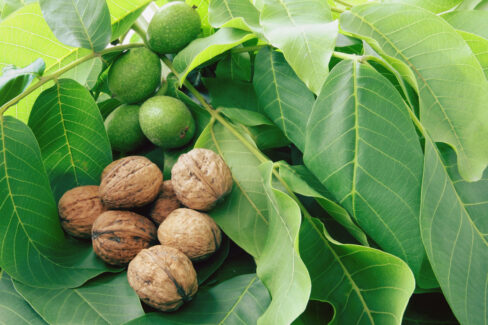
The walnut tree is a total classic in backyards and parks alike. Not only does it look majestic, but it also brings some pretty cool features to the table. I’ve put together a quick and easy cheat sheet with everything you need to know about this garden favorite.
The Walnut Tree: Quick Facts at a Glance
Here’s a breakdown of the essentials when it comes to the famous walnut tree.
- The botanical name for the English walnut (often just called the “walnut”) is *Juglans regia*.
- It belongs to the Juglandaceae family and is a deciduous hardwood tree.
- There are about 60 different species of walnut trees out there.
- You’ll find them all over the globe, but they’re most common in Europe, Asia, and right here in the Americas.
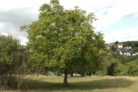
- Most people grow them as specimen trees in large gardens or public parks.
- Walnut trees absolutely love a sunny, bright spot, though they can handle partial shade if they have to.
- They prefer soil that is slightly acidic to alkaline and thrives in sandy-loam or loamy dirt.
- These giants can reach heights of anywhere from 30 to nearly 100 feet.
- They’re in it for the long haul, too—living about 150 years on average, with many reaching over 200 years old.
- The walnut tree is a taprooter. This means its roots dig deep into the earth to stay anchored and hydrated.
- The bark starts out a smooth gray but develops a rugged, blackish, deeply furrowed texture as the tree ages.
- The branches have an olive-brown hue with distinct leaf scars, and you’ll spot brown buds forming on the twigs.
- Walnut wood is incredibly hard and beautiful. It’s considered a premium wood and can fetch a high price for furniture and woodworking.
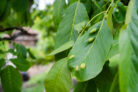
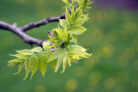
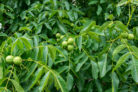
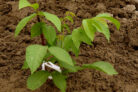
- The leaves are pinnately compound (meaning they grow in pairs along a stem with one at the tip) and reach about 5 inches in length. They have smooth edges and a deep green color that turns a lovely yellow or orange in the fall. Fun fact: the spicy scent of the leaves is known to help keep mosquitoes and flies away!
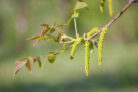
- You’ll see the flowers blooming from April to June. They are green and a bit unique: the male flowers grow in thick, hanging clusters called “catkins,” while the female flowers show up three to four weeks later. They rely on the wind for pollination.
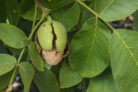
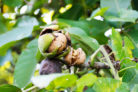
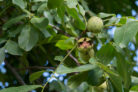
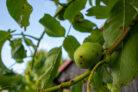
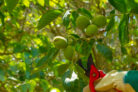
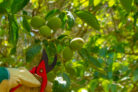
- Once pollinated, the tree produces its famous fruit—the walnut. These grow inside a thick green husk and ripen between September and October.
What Makes Walnuts So Special?
Of course, we can’t talk about the tree without mentioning the nuts! Humans have been snacking on walnuts for over 10,000 years. They are packed with healthy fats (over 50%), plus they’re a great source of iron, zinc, potassium, and alpha-linolenic acid. They aren’t just a fantastic energy boost; they also offer some serious health perks, like supporting wound healing and helping with digestion and anemia.