If you notice your willow tree’s branches or bark looking a little off-color, you might be dealing with a fungal infection. Don’t panic! In this post, we’ll go over which fungi pose a threat to your willow, how to spot the warning signs, and exactly what to do to get your tree back to health.
How Fungi Affect Your Willow
Fungal cultures basically treat your willow like an all-you-can-eat buffet, feeding off the plant’s vital sap. If an infection spreads through the entire tree, it can unfortunately be fatal. But here’s the good news: you can usually catch it early if you know what to look for. Keep an eye out for telltale changes in the twigs, leaves, and bark. Usually, you’ll see discoloration first, followed by dieback in the affected areas.
Common fungi that target willows include:
- Anise Mazegill
- Blushing Bracket
- Anthracnose
- Marssonina Leaf Spot (Willow Anthracnose)
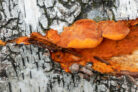
- Chicken of the Woods (Sulfur Polypore)
Most of the time, these issues pop up during specific seasons. When you have a combo of warmth and persistent humidity, fungi thrive and spread like wildfire. Another common culprit? Pruning with dirty tools, which creates an easy entry point for disease. Generally speaking, a healthy, vigorous willow is much better at fending off these invaders than a stressed one.
Marssonina Disease
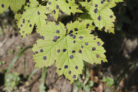
Marssonina is one of the most frequent headaches for willow owners. You’ll recognize this one by distinct dark spots where the leaf tissue is actually dying off. Eventually, you’ll notice the fresh new shoots starting to dry out, and the tree might even drop its leaves well before autumn hits.
How to Treat an Infected Willow
If you spot a fuzzy fungal coating on the leaves or see the discoloration we talked about, it’s time to act fast. Your best move is to prune away every single part of the tree that shows signs of infection.
When it comes to disposal, play it safe: burn the clippings or seal them in a heavy-duty yard waste bag for pickup. Whatever you do, do not put them in your compost pile! If you do, the fungus can survive and hitch a ride back into your garden the next time you fertilize your plants.
To prevent future outbreaks, try thinning out the tree’s canopy. This improves air circulation, helping moisture evaporate faster so fungi don’t have a damp place to settle in. Giving your tree a proper pruning is one of the best preventative measures you can take to keep your willow fungus-free.