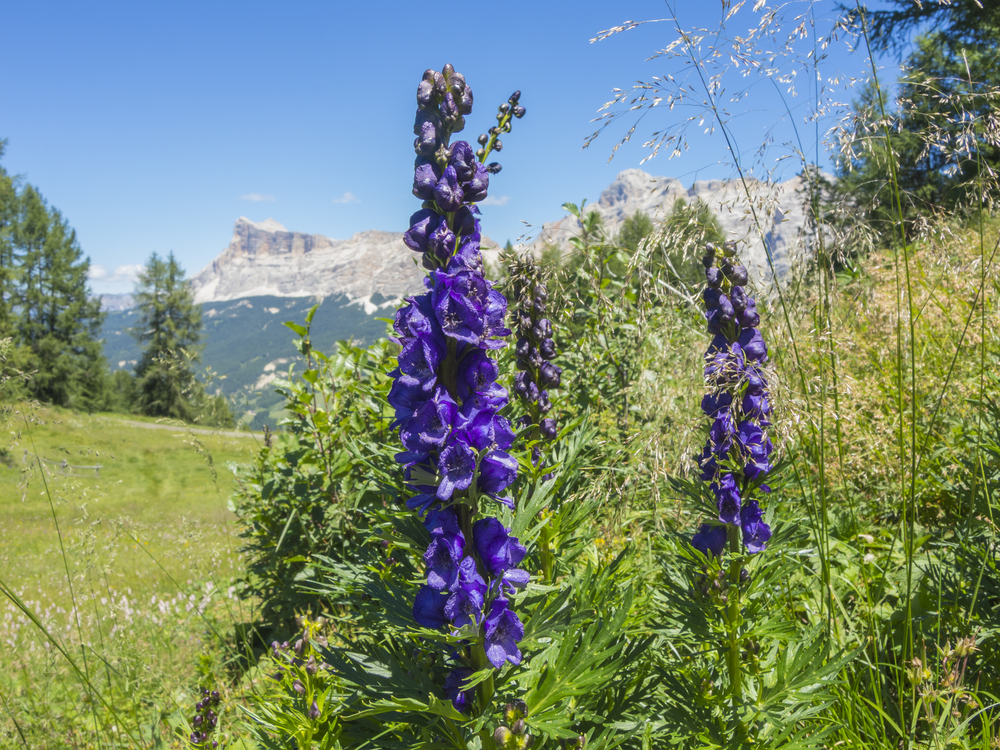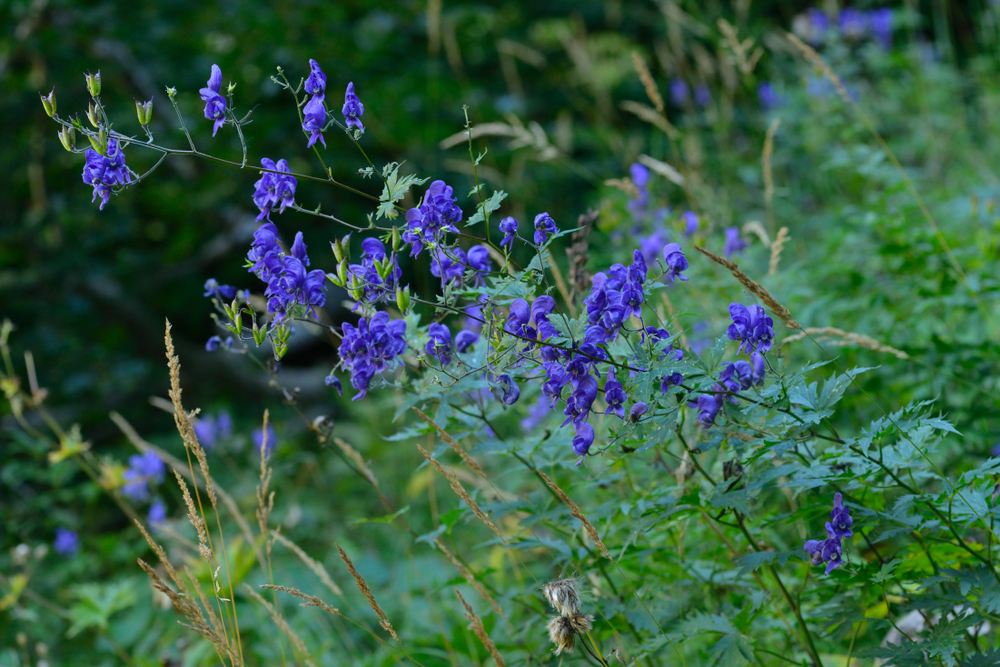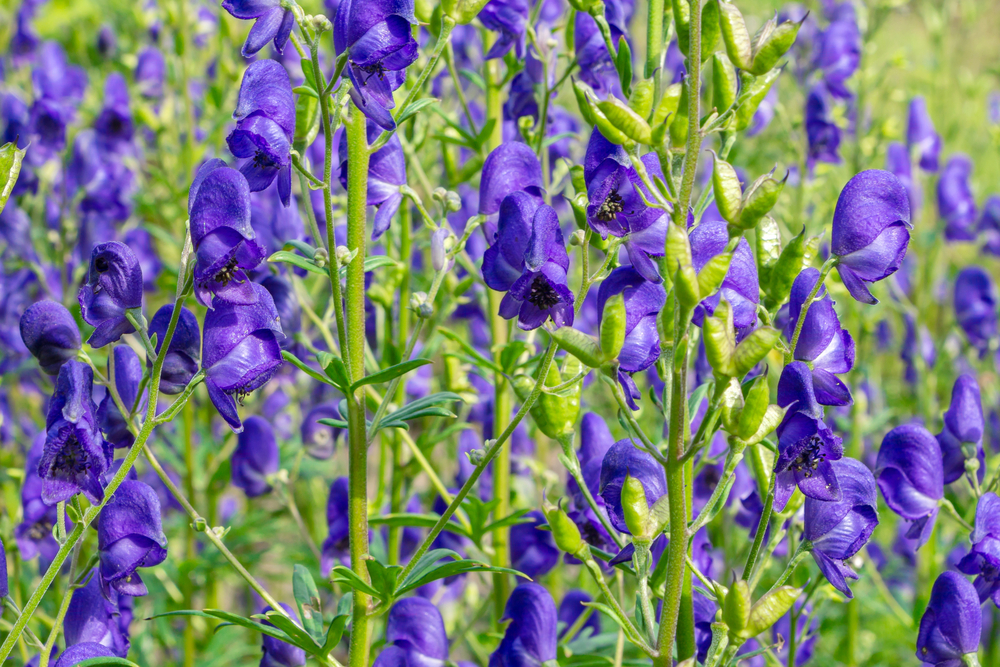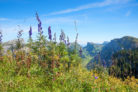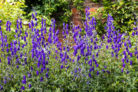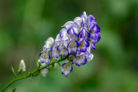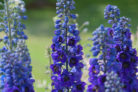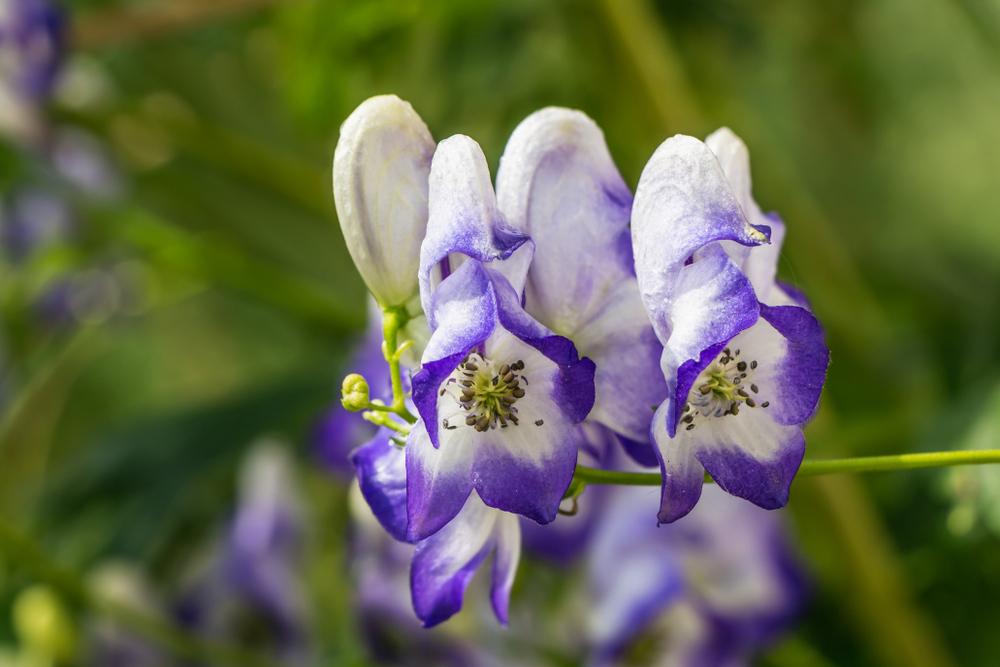
Like so many of the most stunning plants in our gardens, Monkshood (Aconitum napellus) comes with a major catch: it’s incredibly toxic. In fact, it’s so dangerous that ingesting it can be fatal within just a few hours. This is especially true for the tubers and seeds, which contain the highest concentrations of the plant’s natural toxins.
Handle with Extreme Care
Monkshood is widely considered the most poisonous plant in Europe. And we aren’t just talking about eating it—even just brushing against the plant can cause trouble. Skin contact often leads to nasty rashes, and if you handle it for too long without protection, you might even experience numbness or localized paralysis.
Symptoms of Poisoning
Things get much more serious if any part of the plant is swallowed. If you even *suspect* someone has ingested Monkshood, you need to call emergency services immediately. There is a very narrow window for treatment, and it is absolutely life-threatening. Just a few grams of the plant—and especially the seeds—can be a lethal dose. Here are the typical symptoms to watch for:
- Diarrhea
- Vomiting
- Numbness in the mouth and throat
- Respiratory failure
- Vision problems
- Extreme sensitivity to cold
In fatal cases, death is almost always caused by the paralysis of the respiratory system.
Identifying the Seeds
The seeds of the Monkshood plant ripen in late summer through fall before dropping to the ground. You can recognize them by their distinct three- to six-sided pyramidal shape. Because these seeds are packed with toxic alkaloids, they pose a massive risk to curious kids and pets. If you have little ones or furry friends running around, you might want to skip planting Monkshood altogether. If you do decide to keep it in your landscape, always exercise extreme caution when gardening near it!