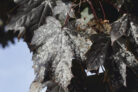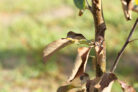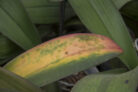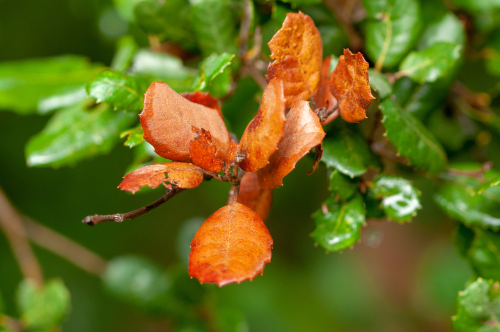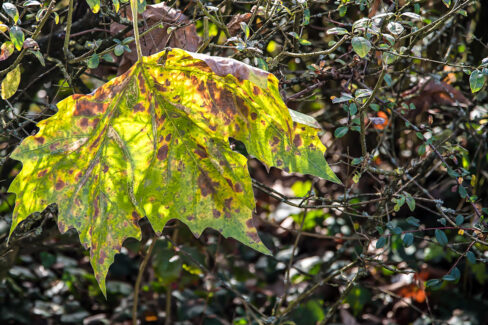
We all love maples for that spectacular burst of color in the fall. Whether it’s fiery red or golden yellow, a maple in its autumn prime is the ultimate backyard showstopper. But what does it mean when your tree decides to skip the pretty colors and go straight to brown? Let’s be honest: brown leaves aren’t just an eyesore; they’re usually a cry for help.
Potential Culprits Behind the Brown Leaves
Before you start hunting for tiny pests or worrying about scary diseases, take a deep breath. Diseases usually show up as spots or holes. If your leaves are simply turning brown at the edges or crisping up, the problem is likely environmental. It’s time to look at your tree’s “living conditions” and your care routine. Usually, one of these four issues is to blame:
- Too much wind
- Sunburn
- Waterlogging (soggy feet)
- Drought stress
Quick Tip:
If you identify one of these causes, don’t stop your investigation there! It’s common for a couple of these factors to work together to stress out your tree. Finding all the contributing factors will help your maple bounce back much faster.
Too Much Wind
Our native North American maples are pretty tough when it comes to a breeze. However, Japanese maples and other Asian varieties are much more sensitive, especially to harsh, drying winds. Because these varieties stay smaller and have such beautiful silhouettes, we often grow them in pots. This means they often end up on patios or balconies where they’re fully exposed to the elements.
If your maple is struggling with wind, find it a more sheltered spot ASAP. If it’s a young tree planted in the ground, you might want to transplant it to a protected location while it’s still manageable. Excessive wind can actually make maples more susceptible to Verticillium wilt—a nasty disease that can kill the whole tree—so keeping them out of the wind is a big deal for their long-term health.
Sunburn
Maples aren’t big fans of intense, direct midday sun. High-noon rays can actually scorch the delicate foliage, turning it brown and crispy. If you can’t move the tree, try providing some artificial shade during the hottest part of the day—a sun sail or large patio umbrella can work wonders.
That said, don’t overcorrect and put your maple in total shade. They still need about 6 hours of sunlight a day to thrive. If they’re stuck in the deep shade, those vibrant leaf colors we love so much will start to look dull and faded.
Too Much Water
If your maple’s soil feels like a swamp, stop watering immediately! If your tree is in a container, you should repot it into fresh, dry soil right away. Moving forward, aim for “consistently moist” rather than “soaked.” To prevent waterlogging in pots, always use a container with large drainage holes and add a layer of gravel or clay pebbles at the bottom to keep the water moving.
Drought Stress
On the flip side, maples hate drying out just as much as they hate being drowned. When they get too thirsty, they’ll let you know with yellow or brown leaves. The best rule of thumb? Check the soil with your finger. If the top two inches feel dry, it’s time for a drink. Give it a deep soak so the entire root ball gets hydrated, then wait until the finger test tells you it’s dry again before grabbing the watering can.