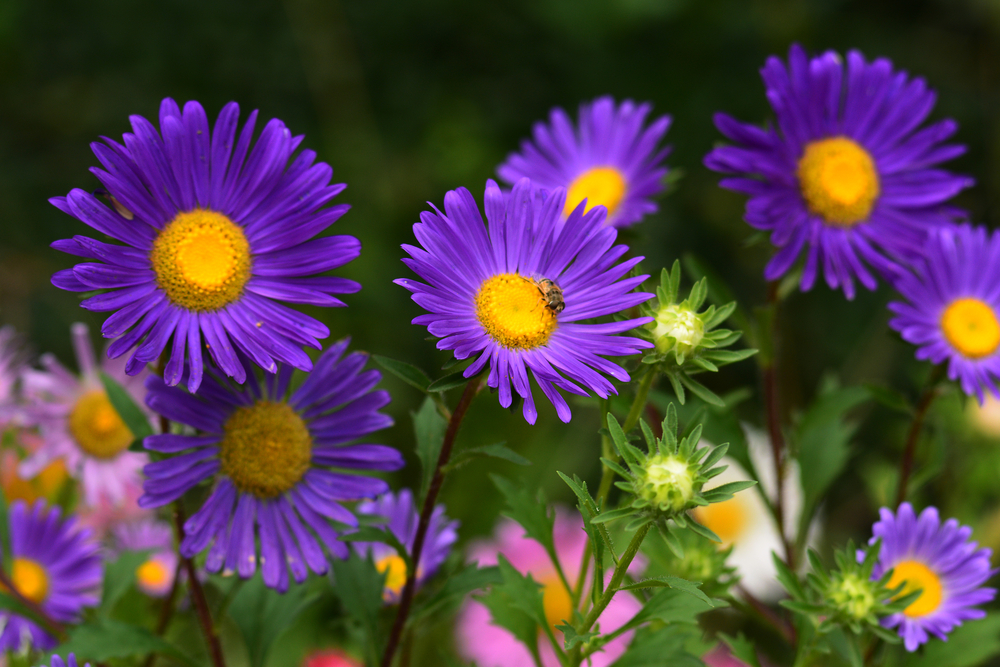
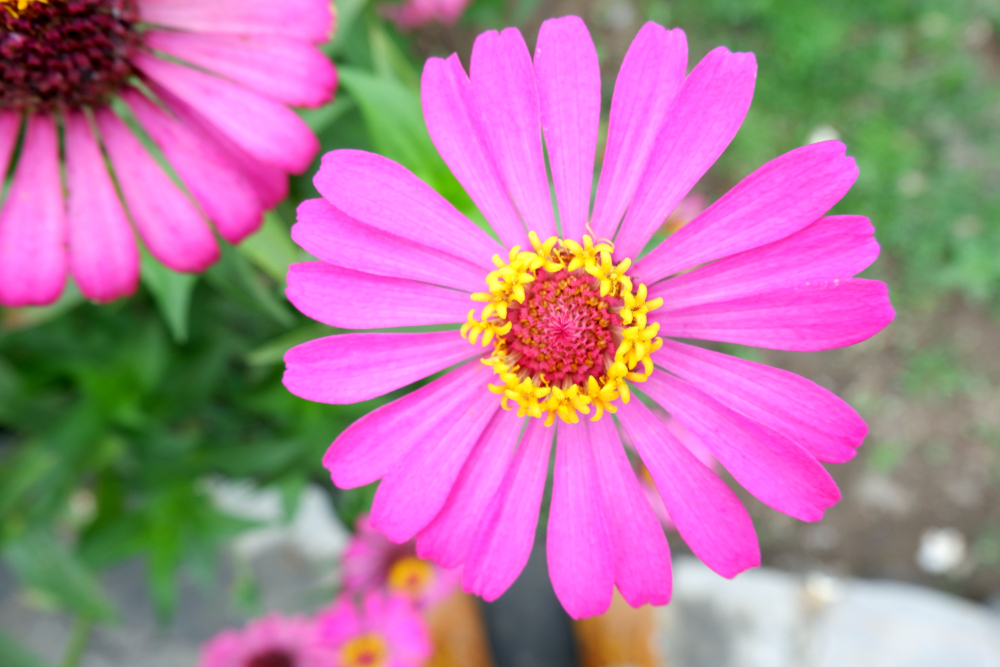
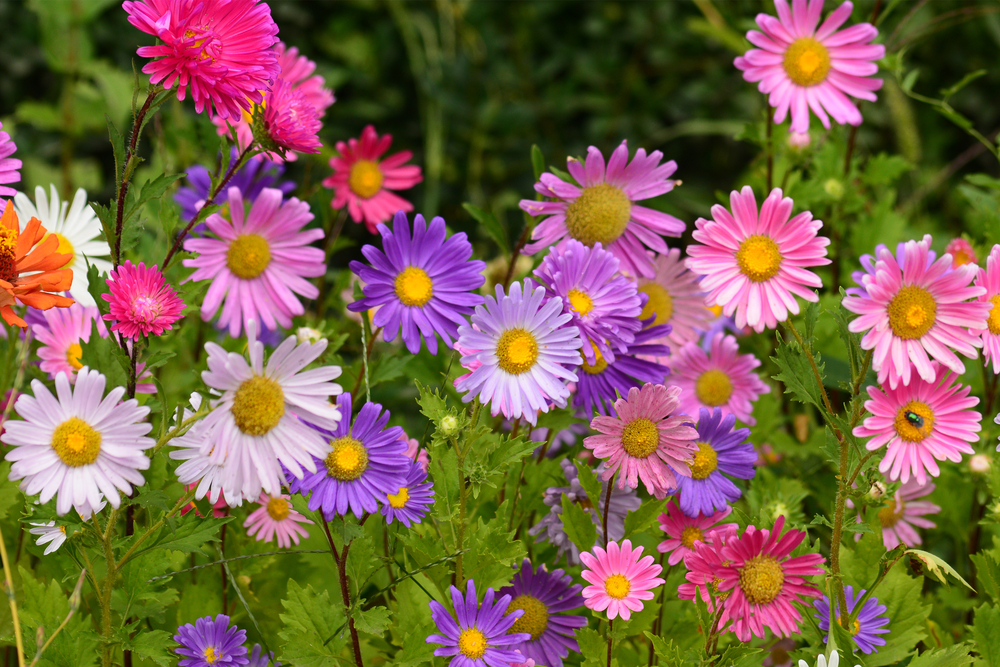
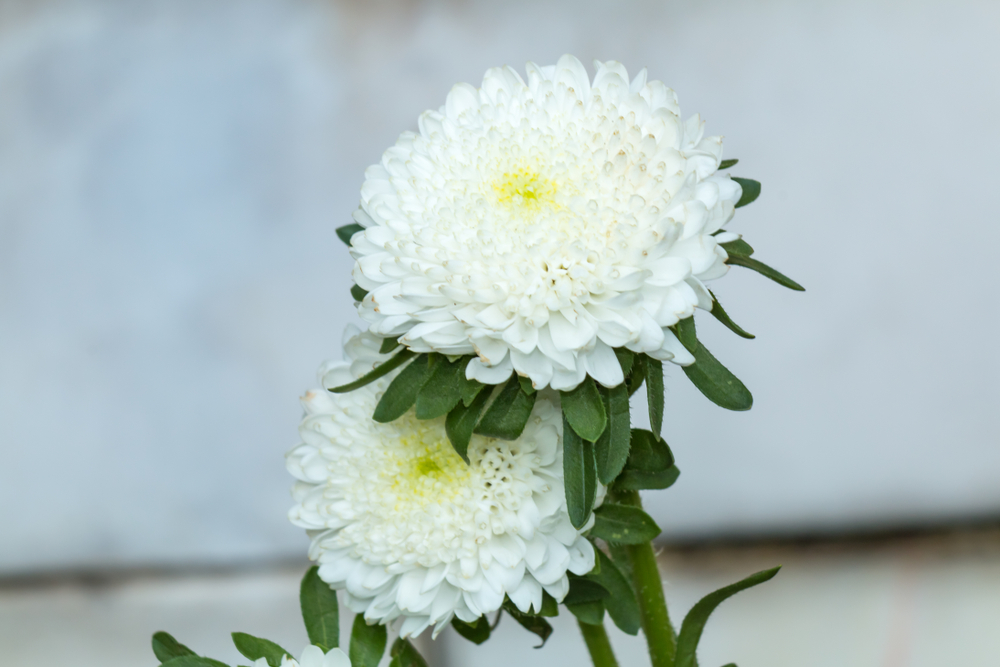
Asters are absolute superstars in the garden, always grabbing attention with those vibrant, punchy colors. When they’re planted in the right spot, they can get surprisingly tall and bushy. To keep them from crowding out their neighbors, you’ll need to grab your shears every now and then. Plus, giving older plants a good trim actually rejuvenates them and leads to way more flowers.
Why should you prune your asters?
Perennial asters are eager bloomers, but they can get a bit wild in terms of height and width. To keep that growth from getting out of hand, you’ve got to rein them in by cutting back long stems. This keeps the plant looking compact and full rather than leggy. Here are a few more reasons to keep up with pruning:
- Asters make fantastic long-lasting cut flowers.
- Trimming helps extend the overall blooming season.
- Cutting back spent flowers early prevents them from self-seeding all over the yard.
- A moderate “haircut” acts like a fountain of youth for older plants.
- You can use the cuttings to grow brand-new baby plants.
When is the best time to prune?
As soon as your asters start blooming, feel free to snip a few stems for a vase. Just a pro-tip: only cut flowers that are already fully open, because aster buds usually won’t open once they’re off the plant.
The Hard Prune
Save the heavy-duty cutting for early spring. This is when you’ll want to clear out all the dry, dead, or frost-damaged stems. Avoid doing this in the fall; those old stems actually act as a natural winter coat, protecting the crown of the plant from frost and excess moisture.
Rejuvenation Pruning
Over time, perennial asters can get “woody” and stop blooming as much as they used to. Every three years or so, give them a rejuvenation prune. Cut out the old, woody stems entirely and leave the fresh, young growth alone. If the plant is still looking a bit tired, it might be time to dig it up and divide it.
Throughout the blooming season, try to “deadhead” (pinch or snip off) faded flowers. This encourages the plant to put its energy into making new buds instead of wasting it on producing seeds.
The “Chelsea Chop” for More Blooms
Many perennial asters love to shoot straight up, which often leads to them flopping over later in the season. If you trim the stems back by about a third in June, the plant will branch out more. The result? A sturdier, bushier plant with way more flowers that stay beautiful much longer.
Taking Cuttings
If you want to propagate your asters, your garden shears are your best friend. Snip off about a 4-inch piece from a healthy, green stem and tuck it into some moist potting soil. Once you see new green growth, you’ll know your little aster has taken root. Just remember to keep these “babies” indoors or in a frost-free spot for their first winter. You can move them out to their permanent home in the garden the following May.