Aphids are some of the most stubborn little critters out there, and boy, do they multiply fast! You might spot them in a variety of colors—black, green, yellow, red, or even white. If you’ve noticed these tiny uninvited guests on your plants, don’t worry. Here’s everything you need to know to get your garden back under control.
Meet the Aphid
Aphids are “sucking insects,” meaning they survive by drinking the life force right out of your plants. Most of the time, they’re wingless, and they’ve actually been around for about 200 million years! Talk about staying power. There are roughly 5,000 different species worldwide, with about 800 of those calling Central Europe home.
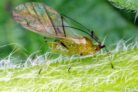
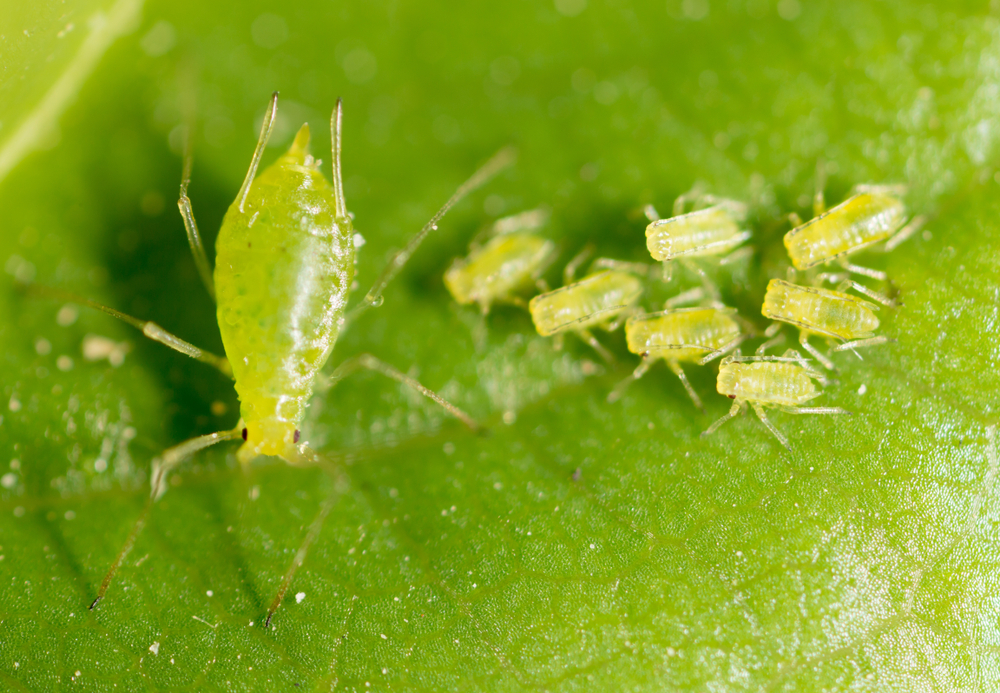
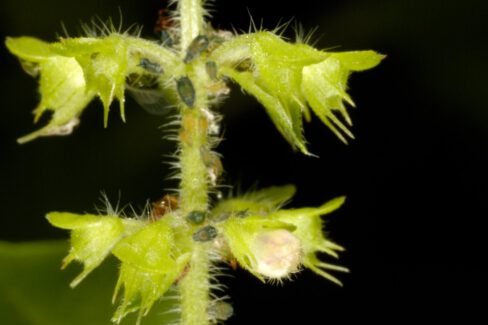
Because they’re only a few millimeters long, they can be really tough to spot. To make things even trickier, their color often blends right in with the specific plant they’re snacking on. They use a specialized snout to pierce the plant and suck out the sap. Unfortunately, this doesn’t just weaken the plant; it can also spread diseases and viruses from one leaf to another.
Signs of Trouble
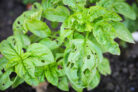
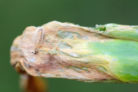
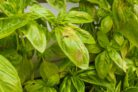
How do you know if you have an infestation? Keep an eye out for leaves that are curling up. If your plant is dropping its young leaves or flower buds prematurely, that’s another big red flag. You might also notice the leaves feel sticky. This is “honeydew”—basically, the aphids excrete the excess sugar from the sap they can’t digest. Not only is it gross, but this sticky residue can lead to mold and fungus growth, which puts your plant at even more risk.
What Should You Do?
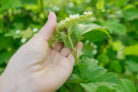
Aphids love to hide on the undersides of leaves, so make it a habit to flip a few over every now and then. If you see tiny moving bugs or clusters of eggs, it’s time to act. Immediately remove and destroy any heavily infested leaves. If you only see a few stragglers, you can try picking them off by hand.
When you buy new plants at the store, give them a good once-over to make sure they’re pest-free. It’s actually a great idea to keep new basil plants quarantined away from your other greens for a few days just to make sure you aren’t accidentally inviting a colony into your home.
Prevention is the Best Medicine
The best defense is a good offense! Healthy, vigorous plants are much less likely to be targeted by pests and diseases. To keep your basil in tip-top shape, make sure you’ve picked the perfect location . Basil thrives in bright, warm spots with plenty of sunlight and good airflow.
Don’t forget about a steady nutrient supply and regular watering. Basil prefers soft water (low in lime) that’s around room temperature. Always check the soil moisture before watering , as you definitely want to avoid “wet feet” or standing water.
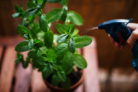
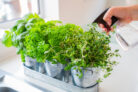
Pro Tip: If you do find aphids, try a simple home remedy before reaching for harsh chemicals. Spraying a mixture of milk and water on the affected leaves is a great trick—the aphids hate it, but your basil stays perfectly safe to eat!