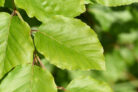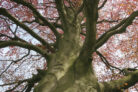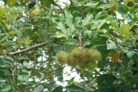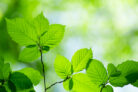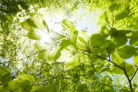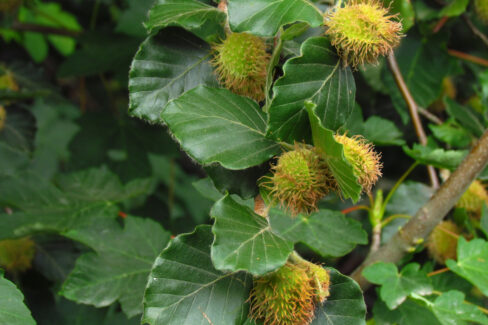
Almost everyone knows the mighty European Beech. These towering trees with their stunning reddish-purple leaves are staples in parks and sprawling forests, though you don’t see them in smaller backyards quite as often. But here’s a question for you: have you ever actually noticed a Beech tree in bloom? Most people haven’t!
Bloom Time and Flower Basics
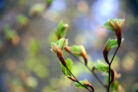
The European Beech starts developing its male and female flowers right around late April, and they’ll stick around through May. By the time June rolls around, the show is over. One thing to keep in mind with Beech tree growth is that these trees aren’t in any rush—it takes at least 15 to 20 years before a tree blooms for the first time. And if you’re looking for those classic beechnuts? You’ll usually have to wait until the tree is about 40 years old.
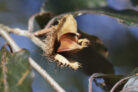
Beech trees are “monoecious,” which is just a fancy gardening term meaning both male and female flowers grow on the same tree. They pop up right alongside the new leaves on young shoots. Both types are pretty subtle and easy to miss if you aren’t looking for them. The male flowers hang in little tufts, while the female flowers sit in pairs inside a four-lobed husk. That husk eventually turns woody and holds the seeds.
Here’s a quick cheat sheet to tell them apart:
Female Flowers:
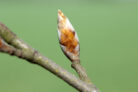
- Light brown buds on an upright flower stalk
- Spindle-shaped and pointy
- Wrapped in double bracts that overlap like scales
- Feature a pinkish stigma
- Bloom from April to May
Male Flowers:
- Appear at the same time as female flowers (starting in April)
- Flower clusters are about 1 to 2 inches long
- Hang down in loose bunches
- Individual flowers are tiny and inconspicuous
- Each male flower has 4 to 7 stamens
The Fruit (Beechnuts)
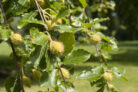
Come autumn, you’ll find varying amounts of beechnuts scattered on the ground. Interestingly, Beech trees don’t produce a massive crop every single year. They usually wait for a hot summer to produce a “bumper crop.” In the forestry world, we call this a “mast year.” It’s actually a clever survival strategy! If the tree produced the same amount of seeds every year, animals would just eat them all. By occasionally overflowing the forest floor with seeds, the tree ensures that the local wildlife gets their fill and there are still plenty of nuts left over to sprout into new trees.
The beechnut itself is a small, triangular nut that sits in pairs inside that woody husk. Just a heads-up: raw beechnuts are slightly toxic because they contain trimethylamine and high levels of oxalic acid, so they aren’t a snack you want to grab straight off the ground!