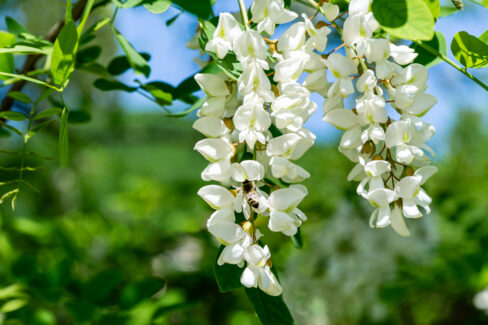
When the Black Locust tree hits its peak bloom, it’s like looking at a massive, shimmering white cloud. These gorgeous little flowers aren’t just for show, though—they play a huge role in the tree’s life cycle, from feeding local pollinators to producing its signature seed pods. Let’s dive into what makes this blooming season so special.
The Beautiful Blooms
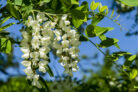
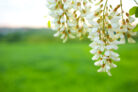
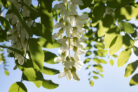
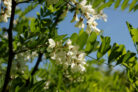
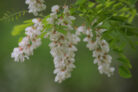
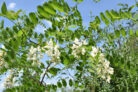
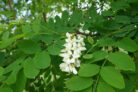
The Black Locust flowers are what truly make this deciduous tree stand out. The individual blossoms hang in long, drooping clusters (called racemes) that can reach up to 12 inches long. It’s such a stunning sight that some people even call the tree “Silver Rain.”
Early Summer Flowering
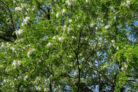
You can expect to see these white blossoms pop in late spring or early summer, usually around May or June. This is also right around the time the tree starts pushing out its new leaves. After standing bare for most of the winter and early spring, the tree suddenly transforms into a lush canopy of bright green foliage and snowy white flowers.
Pollen Season is Here
While the flowers are beautiful, they can be a bit of a headache for allergy sufferers. Black Locust pollen is a known trigger for hay fever. The good news? The pollen doesn’t actually travel very far through the air, so you usually only have to worry if you’re hanging out directly under or right next to the trees.
A Scent That Draws a Crowd
If you walk past a Black Locust in bloom, you’ll definitely notice the fragrance. It has an incredibly sweet, intense scent that reminds many people of bergamot. Humans love it, but bees and other pollinators love it even more! The nectar is a premium food source, and in exchange for the snack, these insects handle all the pollination duties for the tree.
Pollination and Reproduction
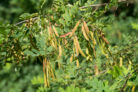
As insects hop from flower to flower, they do the heavy lifting of pollination. Once those blossoms are fertilized, they eventually develop into the tree’s well-known brown seed pods. This blooming phase isn’t just a pretty moment—it’s the most critical time for the tree to spread its seeds and keep the next generation going.
Nectar and the “Acacia” Connection
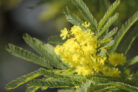
These flowers are absolute nectar machines. They produce so much of the sweet stuff that beekeepers rely on them to create a very famous product: Acacia honey. Even though the name suggests it comes from a true Acacia tree, it’s actually made from the nectar of the Black Locust! That’s why you’ll often hear this tree referred to as the “False Acacia.”