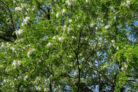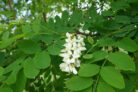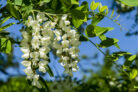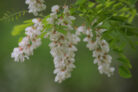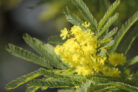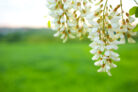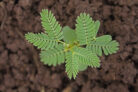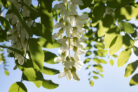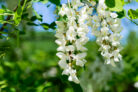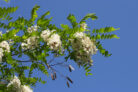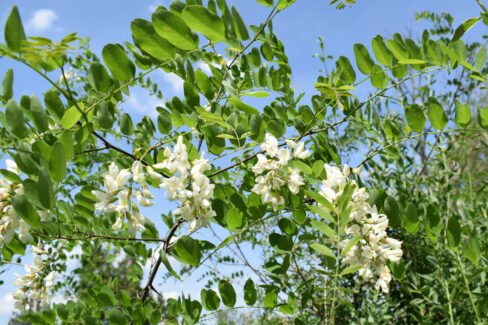
The Black Locust tree, originally a North American native, has made itself quite at home across the entire Northern Hemisphere. You might also know this deciduous beauty as the “False Acacia” or even “Silver Rain.” When planted in the right spot, a Black Locust can live to be a ripe old age of 200 years!
Where the Black Locust Calls Home
While it started out in North America, humans have helped the Black Locust spread far and wide across the Northern Hemisphere. In the wild, you’ll usually find it hanging out in mixed deciduous forests at elevations up to 5,200 feet. It loves company and often grows in large groves, though it’s not unusual to spot a “lone wolf” tree standing on its own.
Ways to Grow This Tree
In our neck of the woods, there are several ways to put this tree to use. Most often, you’ll see them:
- Lining streets or beautifying public parks.
- Standing tall as a “specimen tree” in a large backyard.
- Even as a bonsai! There are special dwarf varieties that work perfectly for this ancient art.
Finding a Sunny Spot
The Black Locust isn’t particularly picky, but it definitely has its preferences. Generally speaking, it’ll be much happier in a sunny spot than in the shade. It’s also a good idea to plant it somewhere protected from harsh, drafty winds.
The Best Soil Conditions
When it comes to dirt, this tree prefers loamy or sandy soil with a pH anywhere from slightly acidic to alkaline. Here’s a cool science fact: the Black Locust actually forms a partnership with soil bacteria to “fix” nitrogen. This means it actually improves the soil it’s in, allowing it to thrive in almost any ground conditions.
Give It Some Elbow Room
When you’re planting your tree, make sure to give it plenty of space—not just from other plants, but from buildings, walls, and property lines too. A Black Locust can soar up to 100 feet tall! Because it develops a massive canopy and a very wide-reaching root system, you want to ensure those roots and branches don’t end up damaging your foundation or your neighbor’s fence.
A Word of Caution: It’s Toxic
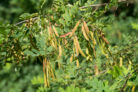
If you have little ones or pets running around, you might want to think twice about planting a Black Locust. Every part of this tree—especially the bark—is highly toxic. Just touching it can cause skin irritation or allergic reactions for some people. If the seed pods are eaten, it can lead to serious symptoms like nausea, vomiting, and severe stomach issues. In the worst-case scenarios, it can even be fatal, so definitely handle this tree with care!