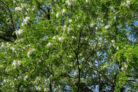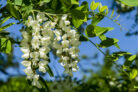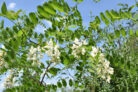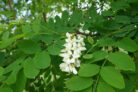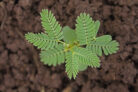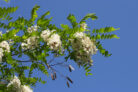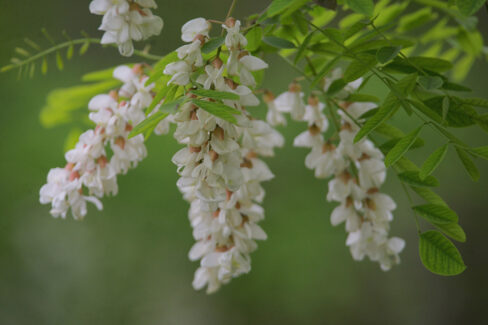
Black locust trees are a popular choice for adding some greenery to parks and backyards alike. But before you get too close, there’s something you should know: these trees (often called “false acacias”) aren’t just toxic—they’re also armed with some seriously sharp thorns. If you’re planning on doing some pruning, you’ll want to be extra careful to avoid any nasty scrapes or pokes.
What Those Thorns Actually Look Like
The thorns on a black locust have a few distinct features you should watch out for:
- They can grow up to an inch long and are incredibly sharp.
- They usually have a reddish-brown tint.
- You’ll find them lining the branches of the tree.
Fun Fact: They’re Actually “Stipules”
Technically speaking, those sharp points on the branches aren’t true thorns in the botanical sense; they are actually modified “stipules” (small appendages at the base of the leaves). Evolution turned them into spikes to keep hungry animals from snacking on the foliage. Of course, they do a pretty great job of keeping humans at a distance, too!
Handle With Care
Whether you are pruning your black locust or just doing some general yard work around it, make sure your hands and skin are fully covered. It’s not just about avoiding the physical stabs and scratches from the thorns—the tree is also highly toxic. Almost every part of the plant, especially the bark, contains toxins that can cause skin irritation, allergic reactions, or even symptoms of poisoning if handled carelessly. Always gear up with sturdy work gloves and long sleeves before you start.
Are There Thornless Black Locusts?
Generally speaking, almost every species of black locust comes equipped with thorns. However, you might occasionally run into a tree that seems “smooth.” There are a few reasons why this happens:
- The tree is very old.
- It has been pruned back heavily and frequently.
- It was grown from a seedling rather than a runner.
Since thorns primarily grow on young, new shoots, very old trees or those that have been cut back repeatedly often stop producing them as vigorously—or stop altogether. Even then, that tree likely had plenty of spikes in its younger years! Interestingly, black locusts that propagate via root suckers tend to have fewer thorns than those grown from seed.