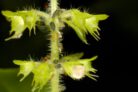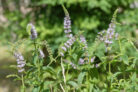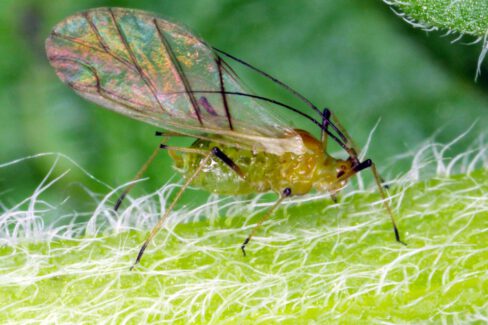
Peppermint is one of those must-have herbs for any gardener. It’s super easy to grow in your backyard, on a balcony, or even in a sunny windowsill pot. There’s nothing quite like having fresh, fragrant leaves on hand for a homegrown cup of tea all year round! However, even the hardiest mint can run into a bit of trouble with aphids every now and then.
Dealing with Aphids on Your Peppermint
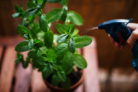
Finding aphids on your peppermint is a total mood killer when you’re craving a refreshing drink. If you spot them, you’ll want to act fast. Since we’re planning on eating these leaves or steeping them for tea, we definitely want to stick to organic, food-safe methods—no harsh chemicals here!
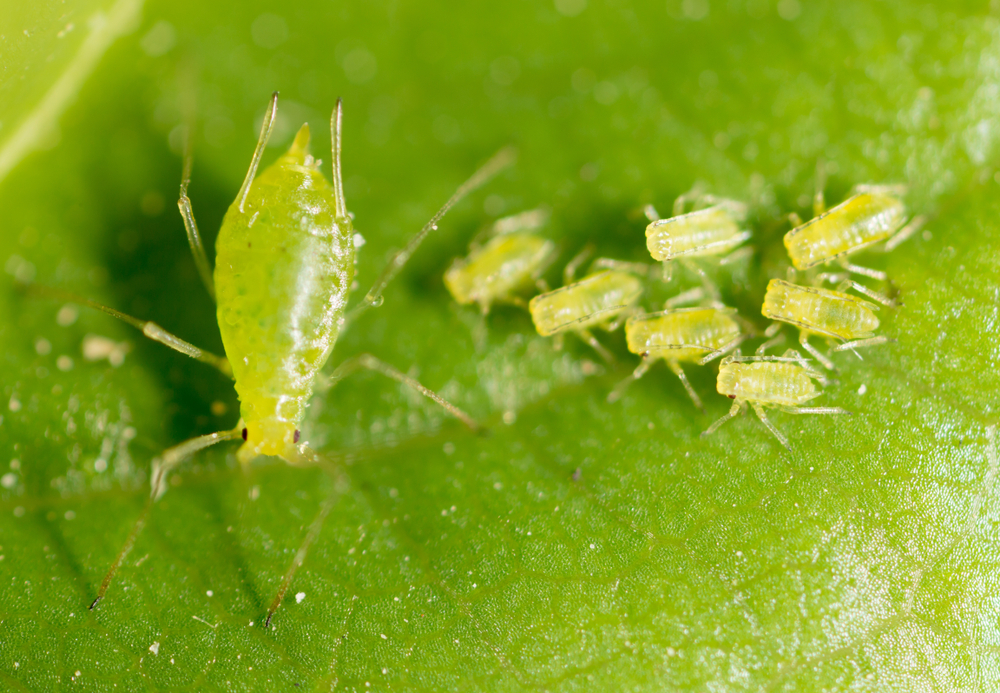
If the infestation has already taken hold, you’ll see the tiny pests hanging out on both the tops and bottoms of the leaves. You might also notice a sticky residue (called honeydew) coating the plant. If it’s reached that stage, it’s time to roll up your sleeves. Here are some of my favorite natural ways to kick aphids to the curb:
- Nettle Tea: Soak about 1 lb of stinging nettle leaves in 1.25 gallons of water with a pinch of wood ash for a few days to create a potent spray.
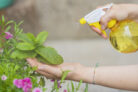
- Soap Spray: Mix 1 tablespoon of castile soap and 1 tablespoon of rubbing alcohol into a quart of water. (Pre-mixed black olive oil soap from the garden center works great, too!)
- Tobacco Water: Soak the tobacco from a few filterless cigarettes in cold water for two days.
- Bug Hotels: Set up a little habitat nearby to attract beneficial insects.
- Beneficial Bugs: Encourage “good guys” like ladybugs and lacewings to hang out in your garden.
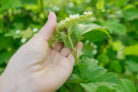
If you catch the problem early, you can often just pick the aphids off by hand or brush them away with a soft brush. A firm blast of water from the garden hose can also do the trick—once those aphids get knocked to the ground, they usually don’t make it back up. For tougher cases, use your organic sprays several times over a few days. Just remember to wait about two weeks before harvesting any leaves for tea to make sure the treatment has washed away and the aphids are long gone.
How to Prevent Aphids in the First Place
As the saying goes, an ounce of prevention is worth a pound of cure! To keep your mint aphid-free, try setting up an “insect hotel” nearby to give ladybug larvae and lacewings a place to live—they are absolute aphid-eating machines.
You should also keep an eye out for ant nests in your garden beds. Ants actually “farm” aphids for their sweet honeydew and will protect them from predators. Finally, make it a habit to give your mint a quick check-up every time you water. Catching a few stray bugs early is much easier than dealing with a full-blown takeover!