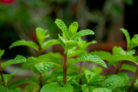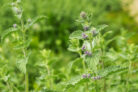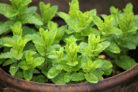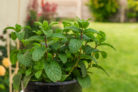
If you’re a fan of that fresh, zesty mint aroma, nothing beats picking it straight from your own garden. But if you’re thinking about starting a little herb patch, you’re probably wondering: how long is this plant actually going to stick around? Is mint a “one and done” annual, or is it a perennial that’ll keep your mojitos fresh for years to come?
The Lifespan of a Mint Plant
Does mint have what it takes to go the distance? According to our mint profile, these hardy plants can actually live for up to 25 years! So, it’s safe to say that being a perennial is definitely in their DNA.
However, real-world gardening can be a bit different. Sometimes mint disappears from the garden much sooner—occasionally after just one season. Usually, when a plant doesn’t reach its full potential, it comes down to its environment or a few hiccups in its care routine.
Clearing the Winter Hurdle
To live a long, happy life, your mint needs to survive the winter. The good news is that most varieties are winter hardy, so their chances of survival are generally great. In the fall, the plant will naturally die back above ground to protect itself from the frost. That said, some varieties are a bit more sensitive than others, and a particularly brutal winter can take a toll. To make sure your mint bounces back in the spring, here’s how you can help:
- If you have potted mint, try to move it to a frost-free spot for the winter.
- Alternatively, you can sink the entire pot into the garden soil to insulate the roots.
- Wrap outdoor pots in bubble wrap or burlap and move them to a sheltered corner.
- Add a layer of brushwood or evergreen branches on top for extra warmth.
- For mint planted directly in the ground, a cozy mulch of leaves or brushwood works wonders.
Don’t Let It Go Thirsty
One of the quickest ways to turn a perennial mint into an accidental annual is letting it dry out. Mint loves “fresh” soil—meaning it should stay consistently moist. During the heat of the summer, you’ll likely need to grab the watering can every single day to prevent brown spots from forming. If it stays dry for too long, the plant might give up entirely. Pro tip: Don’t forget to water your mint on frost-free days during the winter, too—especially if it’s in a pot!
Other Threats to Longevity
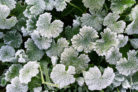
The reason most backyard mint doesn’t actually make it to age 25 usually involves diseases or pests. To keep your plants strong, pick a spot with partial shade and give them plenty of elbow room (airflow is key!). Keep a close eye on the stems and leaves to make sure everything looks healthy.
A Change of Scenery Extends Its Life
Even in the perfect location, mint usually only thrives in one spot for about 3 to 4 years. After that, it starts to lose its vigor. To keep it full of life, you should move it to a new spot every few years (gardeners call this crop rotation). If you’re growing it in containers, you’ll generally need to repot your mint every two years to keep it happy and healthy.