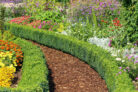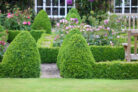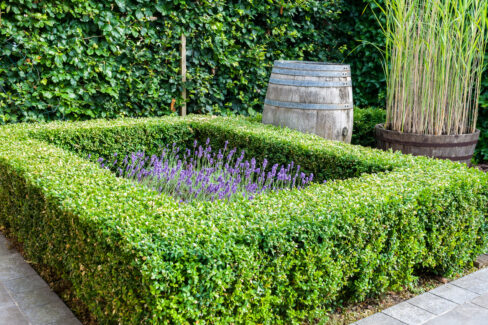
If you’re looking for a plant that provides clean structure without stealing the spotlight from your showier flowers, boxwood is your best friend. Thanks to how well it handles pruning, you can shape it to pretty much any height or width you want. Just keep in mind that while these decorative borders look great, they are living things that need a little TLC to stay sharp.
Choosing the Right Varieties
A good garden border should last way longer than just one season, so picking the right variety is about more than just looks. You’ll want a boxwood that isn’t a magnet for the dreaded boxwood moth or prone to blight and other diseases. Since your border will be out in the elements year-round, winter hardiness is key. Plus, if you pick a slow-growing, dwarf variety, you’ll save yourself a lot of time on pruning!
Here are a few great varieties for garden borders:
- Buxus sempervirens ‘Suffruticosa’: Features bright green, medium-sized leaves and stays low (up to 20 inches).
- Buxus sempervirens ‘Blauer Heinz’: Known for its cool bluish tint; very frost-hardy and low-growing.
- Buxus microphylla ‘Herrenhausen’: A petite grower that is naturally resistant to fungal issues.
- Buxus microphylla ‘Golden Dream’: Beautiful yellow-green foliage with a compact habit, reaching up to 3 feet in height and width.
Pro Tip:
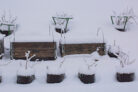
Variegated or colorful varieties are often a bit more sensitive to the cold than the solid green ones. If you don’t live in a mild climate, you might find yourself doing a lot of extra winter prep every year to keep them happy.
Only Start with Healthy Plants
Whether you’re propagating your own cuttings or buying them from a nursery, only use strong, healthy specimens for your border. Keep an eye out for red flags like brown spots, dried-out leaves, or webbing. Don’t forget to peek at the undersides of the leaves to make sure there aren’t any tiny yellowish boxwood moth eggs hiding there.
Getting the Planting Right
Spring is the absolute best time to get your boxwoods in the ground. To make sure your mini-hedge turns out exactly how you pictured it, follow these steps:
- Mark your path: Use a string or garden hose to outline the shape, whether you want crisp straight lines or soft curves.
- Mind the gap: Give them enough room to breathe. For smaller plants, about 4 inches apart is usually plenty.
- Hydrate: Give the root balls a good soak before they go in the ground.
- Prep the soil: Loosen the dirt well and mix in some compost for a nutrient boost.
- Water again: Give them a deep drink immediately after planting.
Post-Planting Care
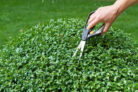
If you’re starting with larger plants, go ahead and trim them back by about a third right after planting. To get that thick, lush look, you’ll want to prune the entire border every four weeks during the growing season. Keep the soil consistently moist while the hedge is getting established. For food, a specialized boxwood fertilizer or a layer of compost will give them exactly what they need to thrive.