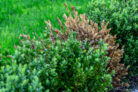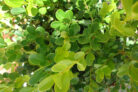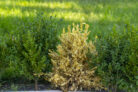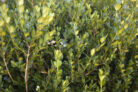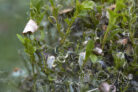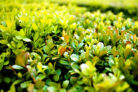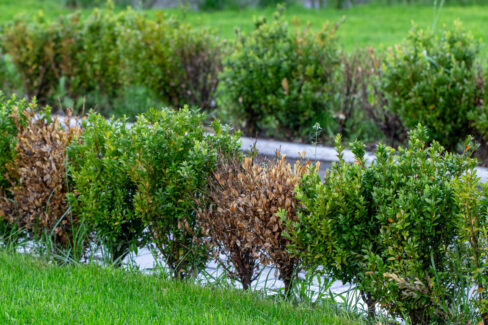
Let’s be honest: boxwoods can be a little high-maintenance. When these garden staples aren’t happy, they let you know by developing those dreaded leaf spots. While “ugly” is a pretty accurate way to describe the look, those brown patches are often about more than just aesthetics—they can be a sign that your shrub is fighting for its life.
Common Culprits for Brown Spots
Generally speaking, if your boxwood is looking a bit crispy or spotted, the cause usually falls into one of three categories:
- Poor growing conditions
- Fungal infections
- Pest infestations
Environmental Stress
If your boxwood is sitting in the middle of a yard with zero shade, don’t be surprised if it starts browning. Those lush green leaves are actually quite prone to sunburn. To make matters worse, intense sun dries out the soil quickly, leading to water and nutrient deficiencies if you aren’t staying on top of your watering game. If sunburn is the issue, your best bet is to provide some shade or transplant it to a spot with more dappled light.
Fungal Issues
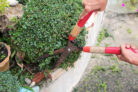
Boxwood rust isn’t super common, but when it does show up, it usually targets older or weakened plants. You’ll recognize it by small, slightly raised brownish spots. These pustules are only about 2 mm wide and can appear on both the tops and bottoms of the leaves. The fix? Just grab a pair of clean, disinfected shears, prune away the affected stems, and toss them in the trash (not the compost!).
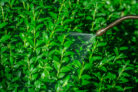
Boxwood blight (Cylindrocladium buxicola) is a much tougher opponent. It can hit any plant, and unfortunately, there’s no “magic cure” for this relatively new disease yet. However, there is a glimmer of hope! Many gardeners have found that dusting their boxwoods generously with algae lime (seaweed calcium) helps protect them, and some plants even recover completely after a few treatments.
Pests
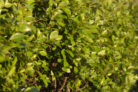
If you notice yellowish, speckled leaves, you’re likely dealing with spider mites. Eventually, those leaves will turn brown, dry up, and fall off. Boxwood leafminers cause similar damage, but they also leave behind tell-tale “blisters” on the underside of the leaves. For both, your first step should be to prune back the infested branches and get rid of the clippings. For spider mites specifically, natural remedies like neem oil work wonders.
Pro Tip:
Whenever possible, stick to pruning and natural remedies for your boxwoods. They can be surprisingly sensitive to harsh chemicals, which often backfires and causes even more brown leaves.