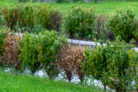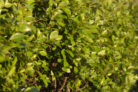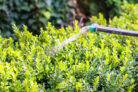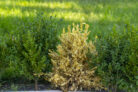
Buxus wilt is a serious fungal infection that can really do a number on your boxwoods—and in the worst-case scenario, it can even kill them. But here’s the good news: as a gardener, you actually have a lot of say in how much damage occurs. If you catch the signs early and jump into action, you can often stop the disease right in its tracks.
Two Main Types of Boxwood Wilt
Boxwoods (scientifically known as *Buxus*) generally deal with two different types of wilt, though some varieties are naturally a bit more resistant than others:
Phytophthora Root Rot
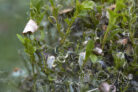
The fungi in the *Phytophthora* group love to attack boxwoods and other garden plants sitting in waterlogged soil. This leads to root rot, which is tricky because it happens entirely underground where you can’t see it. Once the roots are damaged, they can’t send water or nutrients up to the rest of the plant. Eventually, you’ll start seeing the symptoms above ground:
- Growth completely stalls out
- Leaves start to curl inward
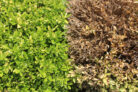
- The foliage loses its deep green color and turns pale
Fusarium Wilt (Fusarium buxicola)
This type of wilt mostly targets boxwoods that are already a bit stressed or weakened. It causes individual shoots and leaves to die off. The good news is that it rarely takes down the whole tree at once; usually, it just hits specific sections.
Pro Tip:
The damage from both types of wilt can look a lot like the dreaded boxwood blight. Make sure to take a very close look at all the symptoms to be sure you’re treating the right disease!
How to Fight Back Against Wilt
Any boxwood owner knows these shrubs can be a bit high-maintenance when it comes to diseases. Since almost any infection has the potential to be fatal, regular “check-ups” should be a part of your gardening routine. Look for leaf discoloration or anything else that looks “off.” Just like with any fungal infection, the earlier you find wilt, the easier it is to beat.
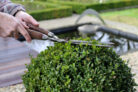
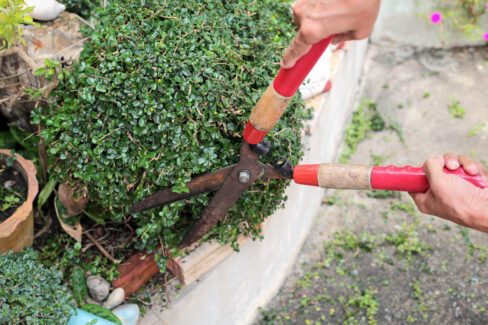
- If you catch it early, prune infected shoots back until you hit healthy wood.
- Lay down a tarp before you start so it’s easier to catch all the clippings.
- Throw those clippings straight in the trash—never put them in your compost pile!
- Scrape off and replace the top layer of soil (fungal spores can survive there for years).
- If a plant is too far gone, it’s best to dig it up and dispose of it entirely.
- Don’t plant a new boxwood in that same exact spot.
Prevention is the Best Medicine
The best defense is a healthy plant. Always plant your boxwoods in a spot with partial shade to full sun and soil that is rich in organic matter and drains well. A strong plant is a resilient plant! Here are a few more tips to keep them happy:
- Keep the soil pH between 7 and 8; add lime if necessary.
- Stick to organic fertilizers like compost.
- Don’t go overboard with nitrogen-heavy fertilizers.
- Always water at the base of the plant, even on hot days—keep those leaves dry!
- Avoid “wet feet” by ensuring good drainage.
- Always use sharp, sanitized pruning shears.
- Never prune your boxwoods while it’s raining.