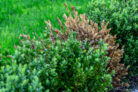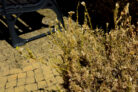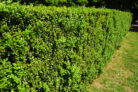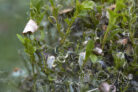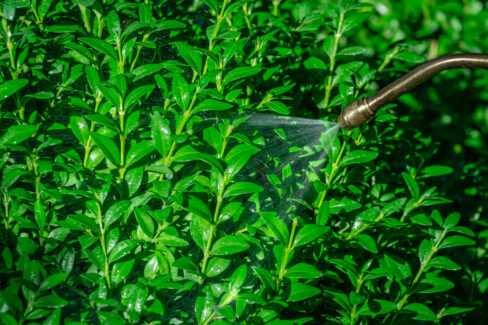
If you notice your boxwood starting to look a little crispy, don’t just sit back and hope for the best! Trust me, it won’t get better on its own. In fact, if you don’t track down the root of the problem and fix it fast, those dry patches are going to spread. While we can’t always save every shrub, acting quickly gives your boxwood the best fighting chance.
One Symptom, Several Culprits
Brown, brittle leaves are basically your plant’s way of screaming for help. Simply clipping off the dead bits is just a temporary fix; you need to figure out *why* it’s happening. Usually, it boils down to one of these three issues:
- Thirst (Lack of water)
- Hunger (Nutrient deficiency)
- Boxwood Blight (A nasty fungal infection)
Thirst Issues
Since boxwoods are evergreens, they need a steady drink all year round. While rain usually does the heavy lifting, it’s not always enough. During those scorching summer days, the top layer of soil dries out fast. Even in the winter, a combination of frozen ground and bright sun can leave your plant dehydrated. Since boxwood roots don’t typically go deeper than about two feet, they really rely on us to keep them hydrated.
- Water as needed as soon as the top inch of soil feels dry.
- Give them a deeper soak more often during dry spells.
- In the winter, only water on days when the ground isn’t frozen.
- Use less water in the winter than you would in the summer.
- Apply a layer of mulch around the base to lock in moisture.
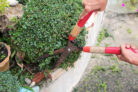
Just a heads-up: don’t go overboard! You don’t want the roots sitting in a swamp, and try to keep the water off the leaves. Constant wetness leads to root rot and invites fungi. Go ahead and prune off any completely dead branches and dispose of them to make room for new growth. A little boost of fertilizer afterward can also help it bounce back.
Pro Tip:
Try to avoid planting boxwoods in spots with intense, all-day sun. They dry out much faster there and can actually get a sunburn!
Nutrient Deficiency
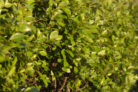
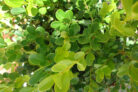
When a boxwood is hungry, you’ll usually see the tips of the leaves turn a yellowish-brown first. If you ignore it, entire branches can dry up as the plant literally starves. These shrubs crave nitrogen to keep that foliage lush and green—especially if you have sandy soil where nutrients wash away easily. You’ll want to fertilize right away, but only during the growing season (April through August). Organic options like compost or horn meal are great for the long haul. If the plant is really struggling, a liquid nitrogen fertilizer works faster since the plant can absorb it almost immediately.
Pro Tip:
Try spraying your boxwood with a diluted stinging nettle tea mixed with rock dust. It’s a fantastic nutrient boost that also helps ward off pests and fungi.
Boxwood Blight
Now for the scary stuff: Boxwood Blight. This is a serious disease caused by the fungus *Cylindrocladium buxicol*. It’s tough to beat, but not impossible if you catch it early. Your best bet is to aggressively prune back all affected branches until you hit healthy wood, ideally in early spring. Some gardeners also swear by dusting the foliage with calcified seaweed (algae lime) to help strengthen the plant’s defenses.