If you’ve spotted mealybugs sucking the life out of your boxwood, I’ve got some bad news: they aren’t going to pack up and leave on their own. In fact, these little pests are reproduction pros. As they drain your plant of its precious sap, your once-vibrant boxwood will start looking like a shadow of its former self. We definitely don’t want that to happen!
Spotting the Symptoms
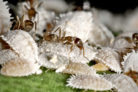
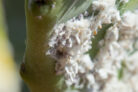
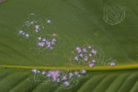
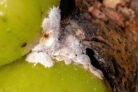
Mealybugs are about a quarter-inch long, oval-shaped, and have distinct horizontal ridges. If you look closely, you can actually see them with the naked eye. They usually start their takeover on the undersides of the leaves to feed on the sap before eventually conquering the entire plant. Since most of us aren’t inspecting our shrubs with a magnifying glass every day, the first real giveaway is usually white, fluffy flecks on the green foliage. These cotton-like webs are actually a protective shield the bugs use to hide from predators.
Don’t Wait to Take Action
A heavy infestation can cause your boxwood to stop growing entirely. To make matters worse, these pests excrete “honeydew,” a sticky substance that invites fungal infections. This leads to a downward spiral: leaves turn yellow or brown, shoots wither, and growth becomes stunted. In the worst-case scenario, your boxwood might not make it at all.
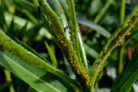
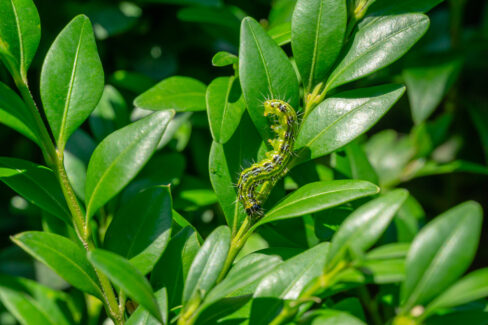
Heads up: It doesn’t take long for a few bugs to turn into a full-blown invasion. Mealybugs multiply incredibly fast, producing up to eight generations a year with about 100 eggs each. This is why I always recommend giving your boxwoods a quick “check-up” regularly. Not only will you catch mealybugs early, but you’ll also spot other troublemakers like aphids, spider mites, or the dreaded boxwood moth before they do real damage.
Effective Ways to Fight Back
If you only find a few stray mealybugs, you can simply pick them off by hand. Another easy trick is to dip a cotton swab in neem oil, canola oil, or rubbing alcohol and dab it directly onto the pests. If the infestation has already spread, here’s your game plan:
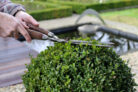
- Prune back any heavily infested shoots.
- Spray the plant with a neem oil or canola oil-based treatment.
- Make sure to soak the entire plant until it’s dripping wet to ensure total coverage.
- If your boxwood is in a container, repot it with fresh soil.
Pro Tip:
If your boxwood is in a sunny spot, make sure to move it into the shade or provide some cover after spraying. The combination of oil and direct sunlight can easily lead to leaf burn.