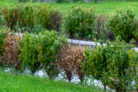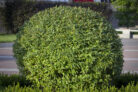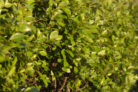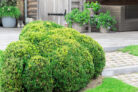
The fresh, tender green of a boxwood is basically a five-star buffet for aphids and scale insects. While we love these shrubs for their lush, classic foliage, pests love them for lunch! If you aren’t careful, these fast-breeding critters can take over before you even realize they’re there. Early on, they’re easy to miss, but it won’t be long before they start leaving some very obvious (and annoying) calling cards.
Keep an Eye Out for These Two Pests
No matter the species, a louse is never good news for your garden. However, it’s worth taking a closer look to see exactly what you’re dealing with so you can choose the right strategy. Aphids are the usual suspects, but you should also keep a sharp eye out for scale insects.
How to Spot an Aphid Infestation
Aphids are masters of disguise—they’re often the exact same shade of green as the young shoots they love to munch on. They multiply incredibly fast and have no problem hopping over to any other boxwoods you have nearby. You’ll usually start seeing them in April or May as the larvae hatch and grow into adults within just a few weeks. Here are the tell-tale signs:
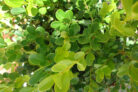
- New shoots looking “spoon-shaped” or deformed
- Leaves curling tightly inward
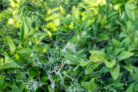
- Tiny white dots visible on the leaves
- Sticky residue on the foliage (that’s “honeydew”)
- A sudden spike in ant activity around the plant
- Black, sooty mold growing on the leaves
Of course, if you look closely enough, you’ll be able to spot the tiny green aphids themselves hanging out on the stems.
Fighting Aphids with Home Remedies
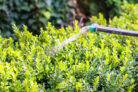
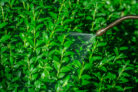
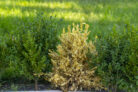
Boxwoods can be a bit finicky with harsh chemicals, which can sometimes lead to yellow leaves. Luckily, you can usually handle aphids with simple items from your pantry—especially if you catch them early!
- Prune off infested tips between April and May.
- Make sure to dispose of the clippings in the trash, not the compost.
- Spray the shrub with a mixture of diluted whole milk and water.
- Alternatively, use cooled black tea as a natural spray.
Identifying Scale Insects
Is your boxwood developing brown leaves or looking like it’s drying out for no apparent reason? It’s time to check the undersides of the leaves and the woody stems! You might find Oystershell scale. These pests are about 2.5 mm long, brownish, and look like tiny crusty bumps. To get rid of them effectively, look for a treatment based on Neem oil or canola oil.
Neem oil is also your best friend when dealing with mealybugs. These guys are much easier to spot because they leave behind white, cottony wax clusters on the branches. If you don’t act fast, mealybugs can actually kill the entire shrub.
Quick Tip:
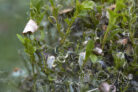
Don’t panic if you see white flakes on your boxwood in the spring. It’s not always bugs! Sometimes it’s just the natural waxy coating of the new leaf buds bursting open as they grow.