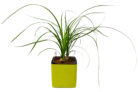
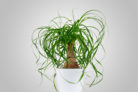
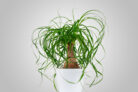
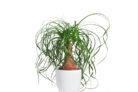
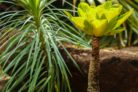
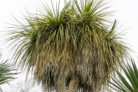
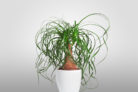
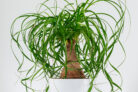
The trunk of a Ponytail Palm (botanically known as *Beaucarnea recurvata*)—specifically that bulbous base we call the “foot”—is actually a built-in storage tank for water and nutrients. Because of this, a soft or squishy trunk is a major red flag for any indoor gardener.
The Root of the Problem
If your plant’s trunk is getting soft, it’s almost always a long-term consequence of overwatering. The tricky part? We usually focus on the leaves, so by the time we notice the trunk is mushy, the damage is already well underway.
Too Much Water
Since that “foot” is designed to store water, your Ponytail Palm doesn’t actually need much from the watering can. Instead of sticking to a rigid schedule (like once a week), you should only water when the top layer of soil feels completely dry to the touch.
When you do water, keep it moderate. It’s tempting to give it a huge soak if the soil looks parched, but that can do more harm than good over time. Also, try to avoid getting the trunk itself wet; moisture sitting against the base is just as bad as “wet feet” (standing water) at the roots.
What to do:
- Stop watering immediately for several weeks or even months.
- Don’t reach for the watering can again until the trunk feels firm.
- If the trunk is very soft: Repot the plant into fresh, dry, and airy soil.
Hydroponics
If you’re growing your Ponytail Palm in a hydroponic system, a soft trunk usually comes down to two things:
- Incorrect planting depth
- Too much nutrient solution
Incorrect Planting Depth
To keep the base from soaking up too much moisture in hydroponics, only the roots should be tucked into the clay pebbles. The bulbous foot needs to sit high and dry above the substrate.
To fix this, you’ll need to lift the plant and reset it at the correct height in dry pebbles. Alternatively, you can switch it over to traditional soil. Just make sure to use a lean, well-draining potting mix.
Too Much Water (Nutrient Solution)
If your water level indicator is constantly sitting at “Maximum” or even “Optimum,” it’s likely too much for a Ponytail Palm. This leads straight to a mushy trunk. As an emergency fix, move the plant into dry clay pebbles. Moving forward, keep an eye on that indicator and try to keep it closer to the “Minimum” mark.