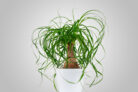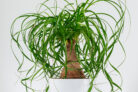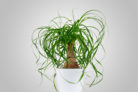
With its long, arching evergreen leaves, the Ponytail Palm is a total showstopper in any room. But if you start noticing weird white spots on those beautiful leaves, it’s more than just a cosmetic issue—it’s a sign that some uninvited guests have moved in.
Mealybugs: The Culprits
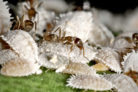
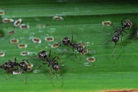
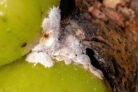
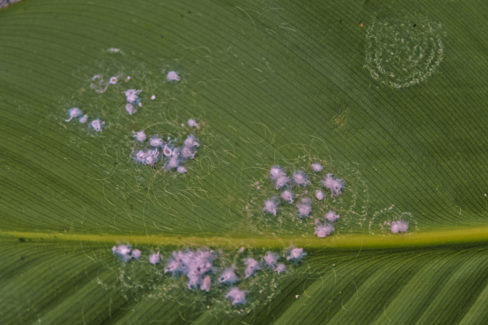
Those white spots aren’t actually discolorations on the leaf itself; they are pests known as mealybugs (sometimes called woolly aphids). These tiny critters are found all over the world and love nothing more than sucking the sap out of your favorite plants. On indoor plants like the Ponytail Palm, you’ll most commonly run into the Citrus Mealybug (*Planococcus citri*), though their cousin, the Long-tailed Mealybug (*Pseudococcus longispinus*), is also becoming a frequent uninvited houseguest.
What Do They Look Like?
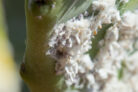
Female mealybugs are tiny—only about three millimeters long and wide. Because they’re so small, it’s hard to see them as individual insects with the naked eye. Instead, they just look like fuzzy white spots to us humans.
That signature white color comes from a waxy secretion that covers their bodies. If you look closely, you might even see a ring of tiny waxy filaments along the sides of their bodies.
Tiny Cotton Balls
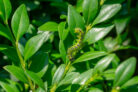
People often describe a mealybug infestation as looking like “tiny cotton balls” stuck to the plant. What you’re actually seeing is the next generation! Each female lays between 200 and 400 eggs inside an elongated, cottony egg sac made of white, waxy threads.
Signs of Trouble
Besides the obvious white spots and cottony clumps, there are a few other red flags that your plant is struggling with a pest problem:
- Yellowing leaves
- Wilting foliage
- Stunted or sickly growth
How to Fight Back
To get a mealybug situation under control, catching it early is key. As soon as you spot them, the first thing you should do is isolate the plant. These bugs are surprisingly mobile and will happily hop over to your other houseplants for a snack.
Once your plant is in “quarantine,” you can use nature’s own tiny soldiers to fight the battle for you. Natural predators include:
- Lacewings
- Parasitic wasps
- The “Mealybug Destroyer” ladybug (*Cryptolaemus montrouzieri*)
If you prefer a DIY home remedy, a mixture of paraffin oil and water sprayed onto your *Beaucarnea recurvata* can do the trick. However, if the infestation is really severe, you might need to use a commercial insecticide to save your Ponytail Palm before it’s too late.